 Sally Thompson
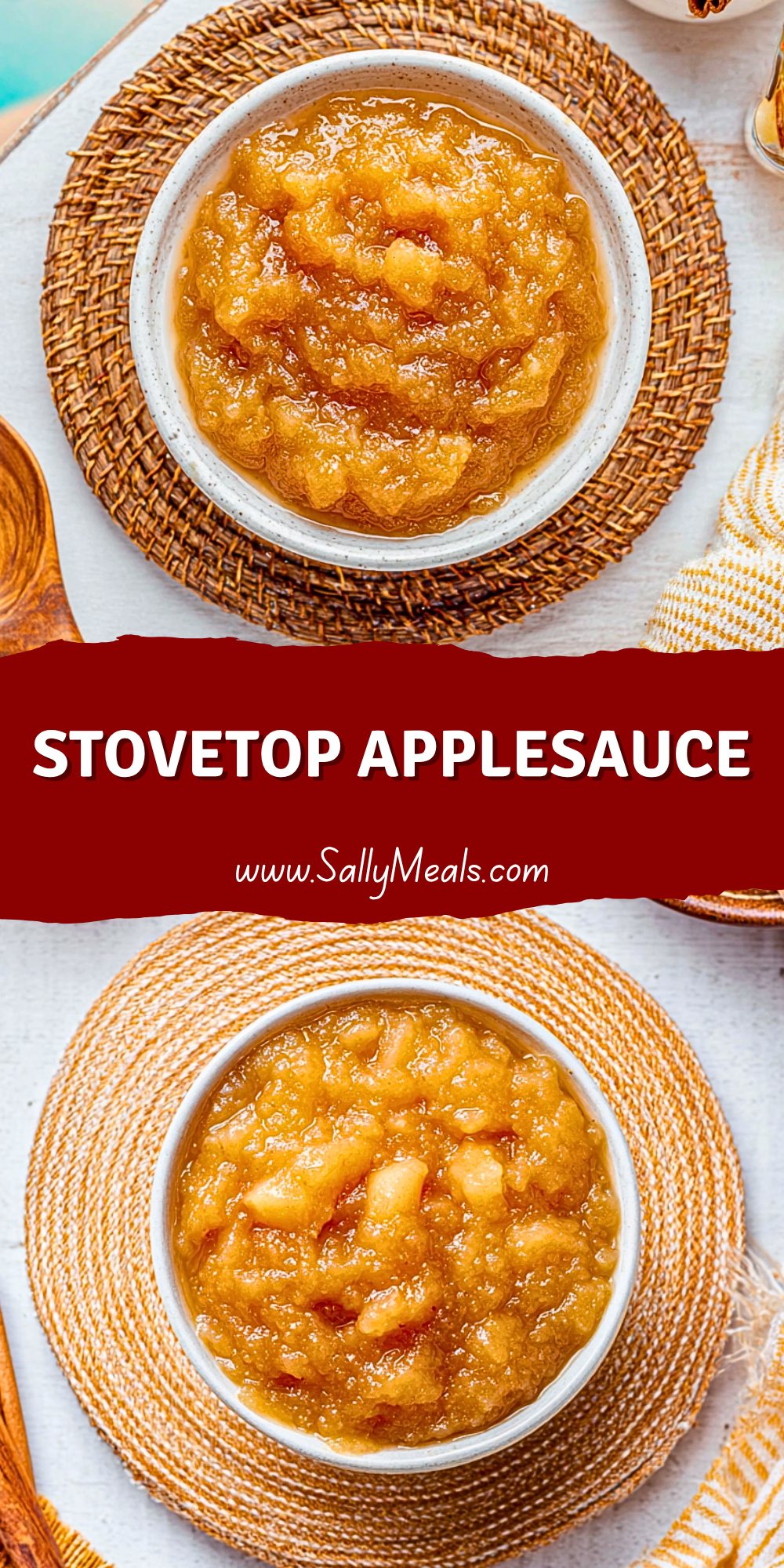
I always come back to homemade Stovetop Applesauce when I want something comforting, simple, and filled with warm flavor. The smell of apples simmering with cinnamon on the stove instantly makes the kitchen feel cozy, and the best part is how easy it is to customize. Some days I leave it chunky for texture, and other times I mash it smooth for a softer finish.
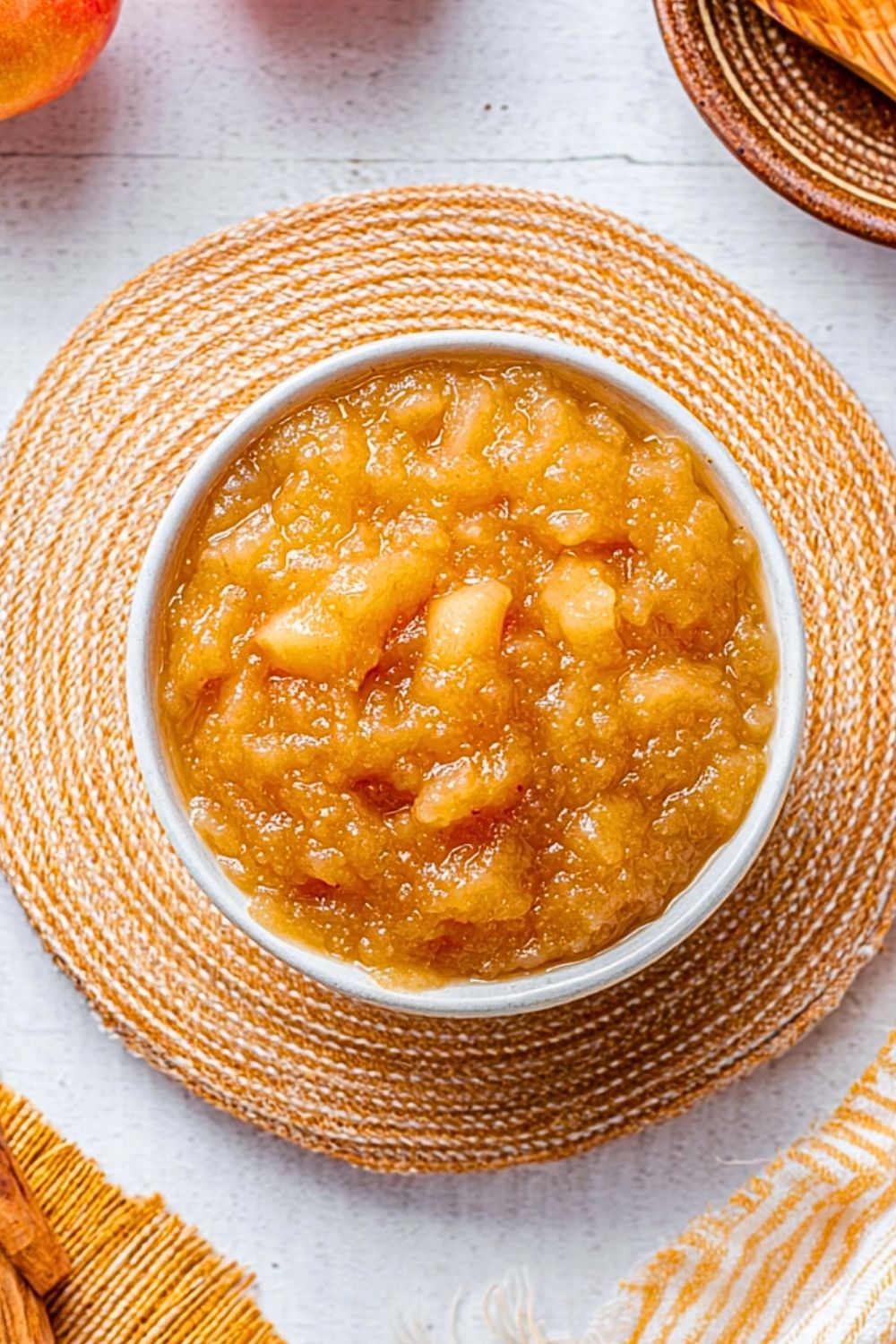
What I love most about this recipe is that it transforms a handful of basic ingredients into something incredibly satisfying. Whether I serve it warm alongside breakfast, spoon it over pancakes, or enjoy it straight from the bowl, this applesauce always tastes fresher and richer than anything store-bought.
Why You’ll Love This Stovetop Applesauce
This Stovetop Applesauce is one of those recipes that works for nearly every occasion. It’s naturally sweet, easy to prepare, and made with wholesome ingredients you probably already have in your kitchen.
You’ll appreciate how quickly the apples soften while still developing deep flavor from the cinnamon and gentle simmering process. It’s perfect for meal prep, healthy snacking, quick breakfasts, or even serving as a side dish during holiday meals.
Another reason this recipe stands out is the flexibility. You can keep it smooth, leave it rustic and chunky, or adjust the sweetness depending on the apples you use. It’s a dependable recipe that feels homemade in the best possible way.
What Kind of Apples Should I Use for Stovetop Applesauce?
The type of apples you choose can completely change the flavor and texture of your Stovetop Applesauce. I usually like combining both sweet and tart apples because it creates a balanced flavor with more depth.
Fuji, Honeycrisp, and Gala apples bring natural sweetness and soften beautifully while cooking. Granny Smith apples add a tart bite that keeps the applesauce from tasting overly sugary. Mixing varieties also helps create a smoother texture while still keeping a little body.
If you prefer a naturally sweet applesauce, stick with sweeter apples and reduce added sugar. For a brighter and tangier flavor, include at least one tart variety in the mix.
Options for Substitutions
One of the easiest ways to make this Stovetop Applesauce your own is by adjusting ingredients based on what you already have available.
Instead of white sugar, you can use maple syrup, honey, or brown sugar for a deeper sweetness. Cinnamon adds warmth, but nutmeg, apple pie spice, or a tiny pinch of cloves can also work well.
If you want a brighter flavor, fresh lemon juice helps balance the sweetness while keeping the apples vibrant. Water is commonly used for simmering, but apple cider can add even more apple flavor.
For texture adjustments, mash the apples lightly for chunky applesauce or blend everything for a silky smooth consistency. This recipe is forgiving and adapts easily to different tastes.
Ingredients for This Stovetop Applesauce
Apples
Apples are the heart of this recipe and create the flavor, texture, and natural sweetness of the applesauce. Using a combination of sweet and tart apples gives the best balance and creates a richer homemade taste.
Cinnamon
Cinnamon adds warmth and depth that makes the applesauce taste cozy and comforting. It enhances the natural sweetness of the apples while adding a classic homemade aroma.
Sugar
A small amount of sugar helps balance tart apples and creates a smoother overall flavor. Depending on the type of apples you use, the amount of sugar can easily be adjusted.
Lemon Juice
Lemon juice brightens the flavor and keeps the apples from becoming overly sweet. It also helps preserve the fresh color of the applesauce while cooking.
Water
Water helps soften the apples during simmering and prevents them from sticking to the pot. As the apples cook down, the liquid helps create the perfect sauce consistency.
Vanilla Extract
Vanilla extract gives the applesauce a soft sweetness and adds a subtle bakery-style flavor that pairs beautifully with cinnamon.
Salt
A tiny pinch of salt balances the sweetness and helps all the flavors taste more vibrant.
Step 1: Prepare the Apples
Start by washing, peeling, and coring the apples. Cut them into evenly sized chunks so they cook at the same rate. Smaller pieces soften more quickly and create a smoother applesauce, while larger chunks leave more texture.
If you enjoy rustic applesauce, leave some of the apple peels on for added color and texture. For a silky smooth finish, peel all the apples completely.
Step 2: Add Ingredients to the Pot
Place the apples into a large saucepan or Dutch oven. Add the cinnamon, sugar, lemon juice, vanilla extract, salt, and water.
Stir everything together so the apples are evenly coated with the seasonings. At this stage, the mixture may look dry, but the apples will release moisture as they heat.
Using a heavy-bottomed pot helps distribute heat evenly and prevents scorching during cooking.
Step 3: Bring the Mixture to a Simmer
Place the pot over medium heat and allow the mixture to warm gradually. Once small bubbles begin forming, reduce the heat slightly to maintain a gentle simmer.
Avoid boiling the apples too aggressively because this can cause uneven cooking and reduce the fresh apple flavor. Slow simmering helps the apples soften while keeping the flavor rich and balanced.
As the apples cook, the kitchen will quickly fill with the warm aroma of cinnamon and sweet fruit.
Step 4: Cook Until the Apples Are Tender
Allow the apples to simmer for about 20 to 30 minutes, stirring occasionally. The apples should become very soft and easy to break apart with a spoon or fork.
Different apple varieties soften at different speeds, so check the texture throughout cooking. If the mixture becomes too thick before the apples finish softening, add a small splash of water.
The goal is tender apples that still hold plenty of flavor without becoming watery.
Step 5: Mash or Blend the Applesauce
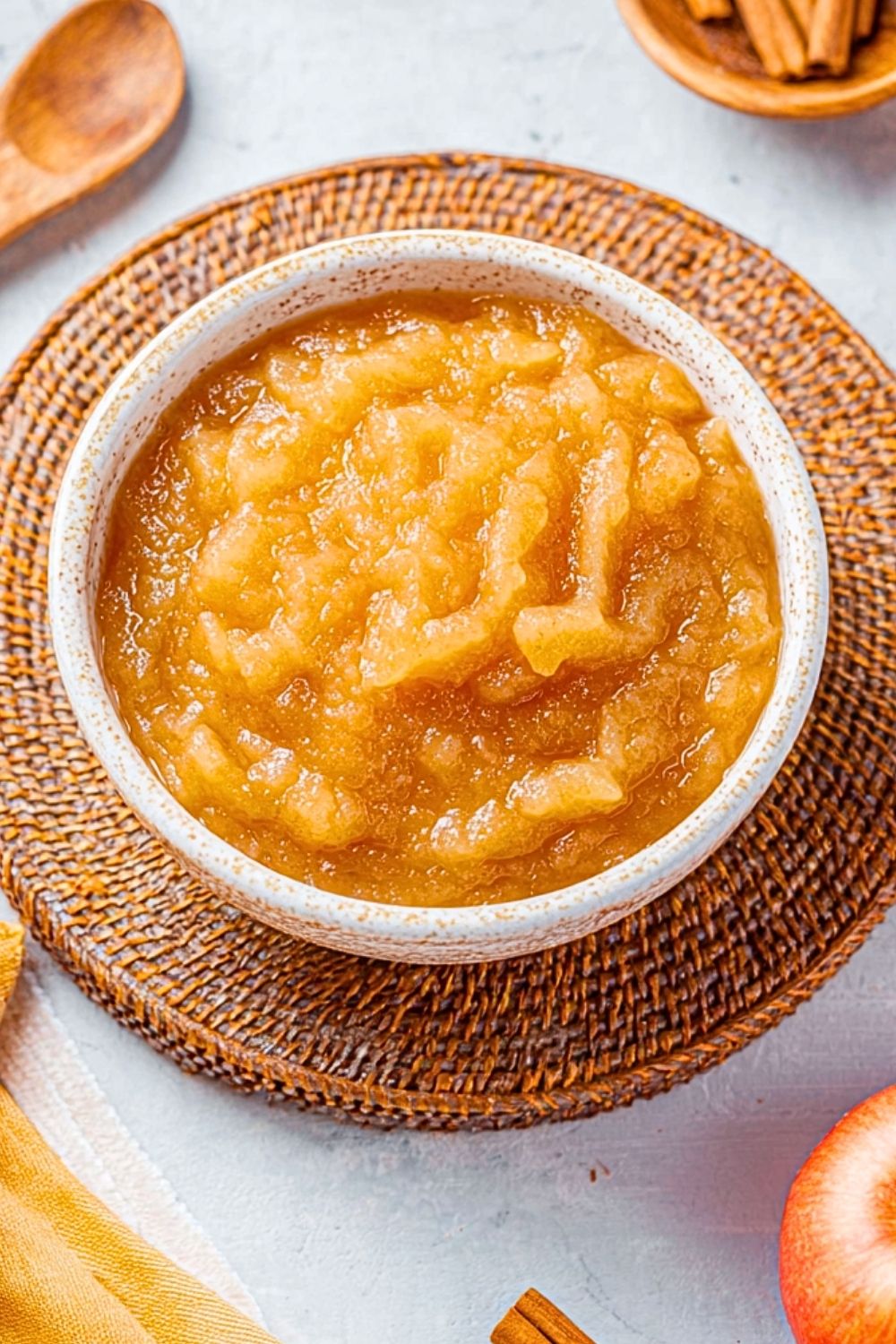
Once the apples are fully cooked, decide on your preferred texture. For chunky applesauce, use a potato masher or wooden spoon to lightly mash the fruit.
If you prefer a smooth applesauce, use an immersion blender directly in the pot or transfer the mixture carefully to a blender.
Blending while the apples are still warm creates the smoothest consistency. You can also leave some apple pieces intact for extra texture.
Step 6: Taste and Adjust the Flavor
After mashing or blending, taste the applesauce and adjust the sweetness or spice if needed. Some apples naturally taste sweeter than others, so this step helps personalize the final flavor.
Add extra cinnamon for more warmth, a splash of lemon juice for brightness, or a touch more sugar if the apples are especially tart.
This final adjustment stage is what gives homemade applesauce its fresh, customized flavor.
Step 7: Cool and Serve
Remove the pot from the heat and allow the applesauce to cool slightly before serving. The flavor becomes even richer as it rests.
Serve it warm as a comforting side dish, spoon it over oatmeal or pancakes, or chill it for a refreshing snack later.
Homemade Stovetop Applesauce can be enjoyed at almost any temperature, making it one of the most versatile recipes to keep on hand.
How Long to Prepare Stovetop Applesauce
Making Stovetop Applesauce is surprisingly simple and doesn’t require hours in the kitchen. Most of the preparation time comes from peeling, coring, and chopping the apples. Depending on how many apples you use and your comfort level with prep work, this usually takes about 15 to 20 minutes.
The cooking process itself is fairly hands-off. Once the apples begin simmering, they slowly soften and break down over the next 20 to 30 minutes. Stirring occasionally helps prevent sticking and ensures the apples cook evenly.
Prep Time
Preparing the apples is the most important part of the recipe because evenly sized pieces help everything cook consistently. If you prefer a smoother applesauce, taking extra time to peel the apples thoroughly will create a softer texture.
Cooking Time
Cooking time can vary slightly depending on the apple variety you choose. Softer apples cook faster, while firmer apples may need additional simmering time. The applesauce is ready when the apples are tender enough to mash easily.
Total Time
From start to finish, most batches of Stovetop Applesauce are ready in about 40 to 50 minutes. This makes it an excellent option for busy weekdays, meal prep sessions, or last-minute homemade desserts.
Tips for Perfect Stovetop Applesauce
Using a mix of apple varieties creates a deeper and more balanced flavor. Combining sweet apples with tart ones gives the applesauce a natural complexity that tastes fresher and less flat.
Cutting the apples into evenly sized chunks helps them cook at the same speed. This prevents some pieces from turning mushy while others remain firm.
Simmering over medium-low heat produces the best texture and flavor. Cooking too quickly can cause the liquid to evaporate before the apples fully soften.
Taste the applesauce near the end of cooking instead of adding too much sugar at the beginning. Some apples release more sweetness as they cook.
If you enjoy thicker applesauce, cook it uncovered for the final few minutes to allow excess moisture to evaporate naturally.
For extra flavor, try adding cinnamon sticks during simmering instead of ground cinnamon. This creates a more subtle and smooth spice flavor.
Watch Out for These Mistakes While Cooking
One common mistake is using only one type of apple. While it still works, the flavor can taste one-dimensional compared to a blend of sweet and tart apples.
Adding too much liquid at the beginning can create watery applesauce. Apples naturally release moisture while cooking, so only a small amount of water is usually necessary.
Cooking the apples over high heat can lead to scorching on the bottom of the pot. Gentle simmering helps preserve both flavor and texture.
Another issue is over-seasoning too early. Cinnamon and sugar become stronger as the applesauce cooks down, so it’s better to adjust the flavor at the end.
Skipping the stirring process may cause uneven cooking. Stirring every few minutes keeps the apples from sticking and helps the sauce cook evenly.
Blending the applesauce immediately after boiling can sometimes create excess steam pressure in a blender. Let the mixture cool slightly before blending for safety.
What to Serve With Stovetop Applesauce?
Pancakes and Waffles
Warm Stovetop Applesauce tastes incredible spooned over pancakes or waffles. The cinnamon flavor pairs perfectly with breakfast favorites and adds natural sweetness without heavy syrup.
Oatmeal
A scoop of applesauce stirred into oatmeal creates a cozy and filling breakfast. It adds moisture, sweetness, and fruit flavor all at once.
Pork Chops
Applesauce and pork are a classic pairing because the sweetness balances savory flavors beautifully. Serving warm applesauce alongside roasted or grilled pork chops creates a comforting meal.
Yogurt Parfaits
Layering applesauce with yogurt and granola creates a quick snack or healthy breakfast. The creamy yogurt contrasts nicely with the soft apple texture.
Ice Cream
Warm applesauce over vanilla ice cream creates an easy dessert with comforting fall-inspired flavor. A sprinkle of cinnamon on top makes it even better.
Storage Instructions
Refrigerating Stovetop Applesauce
Allow the applesauce to cool completely before transferring it to an airtight container. Stored properly in the refrigerator, homemade applesauce typically stays fresh for about 5 to 7 days.
Keeping the applesauce chilled helps maintain both flavor and texture. Stir before serving because some natural separation may occur during storage.
Freezing Stovetop Applesauce
Stovetop Applesauce freezes very well, making it perfect for meal prep. Transfer cooled applesauce into freezer-safe containers or zip-top bags, leaving a little room for expansion.
Frozen applesauce can last for several months without losing much flavor. Thaw it overnight in the refrigerator before serving.
Reheating Instructions
To serve warm again, heat the applesauce gently on the stovetop over low heat or microwave it in short intervals. Stir occasionally to ensure even warming.
Adding a splash of water while reheating can help loosen the texture if it becomes too thick after refrigeration.
Estimated Nutrition
The exact nutritional value depends on the type of apples and amount of sweetener used, but homemade Stovetop Applesauce is generally considered a lighter and healthier option compared to many processed snacks.
A typical serving contains natural fruit sugars, fiber, and vitamin C from the apples. Using minimal added sugar keeps the recipe lighter while still allowing the natural sweetness of the apples to shine.
Homemade applesauce is naturally fat-free and can easily fit into breakfast, snack, or dessert routines.
Frequently Asked Questions
Can I Make Stovetop Applesauce Without Sugar?
Yes, absolutely. Sweet apple varieties like Fuji or Gala often provide enough natural sweetness on their own. You can skip the sugar entirely if preferred.
Do I Need to Peel the Apples?
No, peeling is optional. Leaving the peels on adds texture, fiber, and a slightly more rustic appearance. Peeling creates a smoother applesauce.
Which Apples Make the Best Applesauce?
A combination of sweet and tart apples usually creates the best flavor. Honeycrisp, Fuji, Gala, and Granny Smith are all excellent choices.
Can I Freeze Homemade Applesauce?
Yes, homemade applesauce freezes very well. Store it in airtight freezer-safe containers and thaw it in the refrigerator before using.
Why Is My Applesauce Too Watery?
This usually happens when too much liquid is added during cooking. Continue simmering uncovered for a few extra minutes to help excess moisture evaporate.
Conclusion
Stovetop Applesauce is one of the simplest homemade recipes that delivers comforting flavor with very little effort. The combination of tender apples, warm cinnamon, and natural sweetness creates a versatile dish that works for breakfast, snacks, desserts, or savory meals.
What makes this recipe truly special is how adaptable it is. You can customize the sweetness, texture, and spice level to match your preferences while still enjoying the fresh homemade flavor that store-bought versions rarely achieve.
Whether you serve it warm straight from the pot or chilled from the refrigerator, this Stovetop Applesauce is a dependable recipe worth making again and again.
Stovetop Applesauce
- Prep Time: 15 minutes
- Cook Time: 30 minutes
- Total Time: 45 minutes
- Yield: 6 servings 1x
- Category: Dessert / Snack
- Method: Stovetop
- Cuisine: American
- Diet: Vegetarian
Description
This Stovetop Applesauce is warm, cozy, and packed with fresh apple flavor in every spoonful. Made with tender apples, cinnamon, and simple pantry ingredients, this easy recipe comes together on the stove with minimal effort. It’s perfect as a healthy snack, quick breakfast side, easy dessert topping, or comforting addition to dinner ideas during cooler months. Whether you love chunky homemade applesauce or a smooth and creamy texture, this recipe delivers rich flavor that tastes far better than store-bought versions.
Ingredients
6 medium apples, peeled, cored, and chopped
1/2 cup water
2 tablespoons granulated sugar
1 tablespoon lemon juice
1 teaspoon ground cinnamon
1 teaspoon vanilla extract
1 pinch salt
Instructions
1. Peel, core, and chop the apples into evenly sized pieces.
2. Add the apples, water, sugar, lemon juice, cinnamon, vanilla extract, and salt to a large saucepan.
3. Stir everything together until the apples are coated evenly with the seasonings.
4. Place the saucepan over medium heat and bring the mixture to a gentle simmer.
5. Reduce the heat slightly and cook for 20 to 30 minutes, stirring occasionally to prevent sticking.
6. Continue cooking until the apples become very soft and easy to mash.
7. Mash the apples with a potato masher for chunky applesauce or blend for a smoother consistency.
8. Taste and adjust the sweetness or cinnamon if needed.
9. Remove from heat and allow the applesauce to cool slightly before serving.
10. Serve warm or chilled.
Notes
Use a mix of sweet and tart apples for deeper flavor.
Cook uncovered during the last few minutes if you prefer thicker applesauce.
Blend only after the mixture cools slightly to avoid excess steam buildup.
Nutrition
- Serving Size: 1 serving
- Calories: 110
- Sugar: 20g
- Sodium: 20mg
- Fat: 0g
- Saturated Fat: 0g
- Unsaturated Fat: 0g
- Trans Fat: 0g
- Carbohydrates: 29g
- Fiber: 4g
- Protein: 0g
- Cholesterol: 0mg
Keywords: stovetop applesauce, homemade applesauce, easy applesauce recipe, healthy snack, breakfast ideas, easy dessert, apple recipe