

Bright citrus flavor, a soft buttery crumb, and a sweet lemon glaze make this lemon loaf the kind of dessert that disappears fast from the table. Every slice is packed with fresh lemon taste, giving it the perfect balance between tangy and sweet. Whether served with coffee in the morning or enjoyed as an afternoon treat, this loaf delivers bakery-style flavor with simple pantry ingredients.
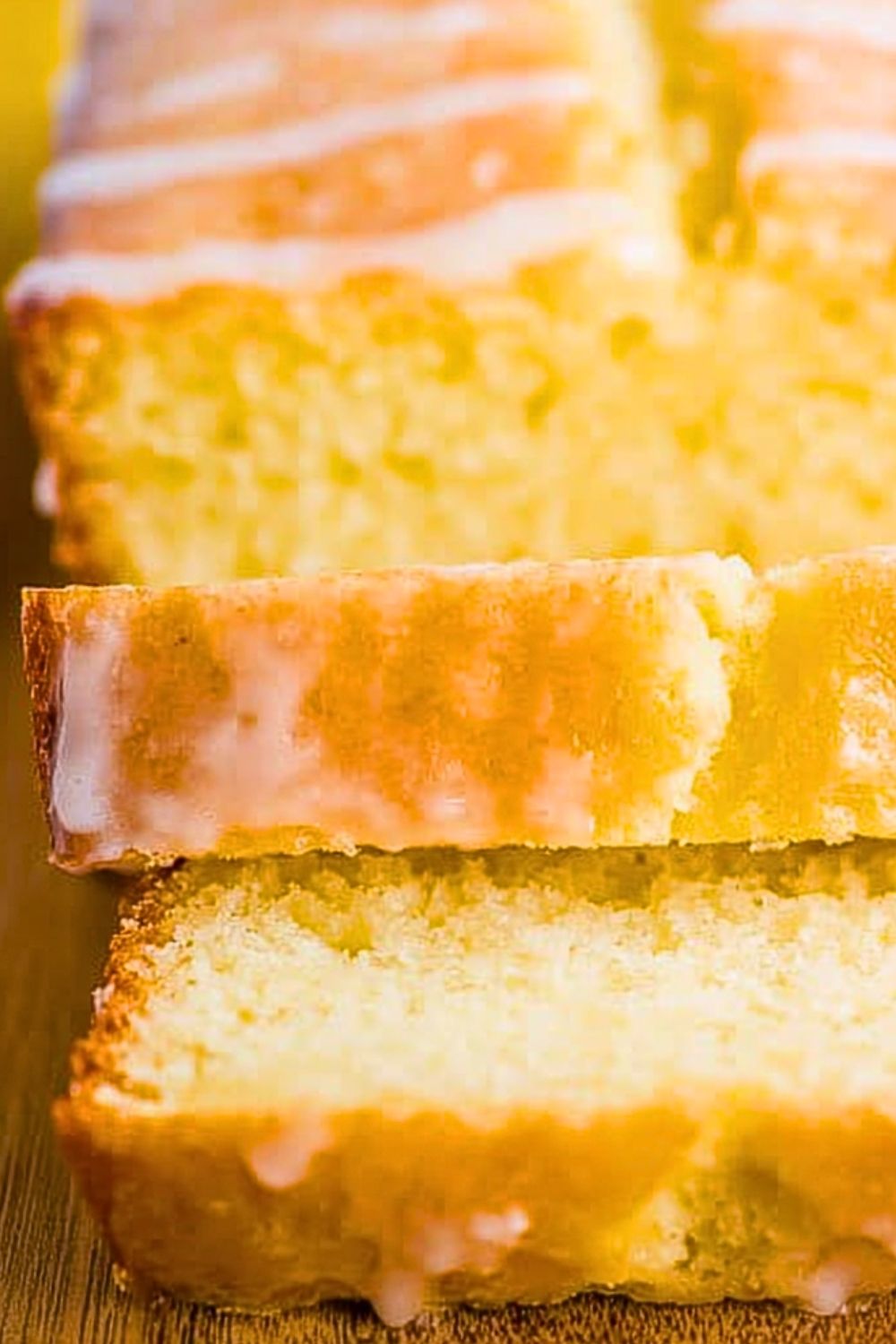
The texture is what truly makes this lemon loaf stand out. It bakes up moist and tender with a delicate richness that melts in your mouth. The glossy lemon icing on top adds a fresh burst of flavor while creating a beautiful finish that makes the loaf look just as impressive as it tastes.
Why You’ll Love This The Best Lemon Loaf
This lemon loaf is easy to prepare, incredibly flavorful, and perfect for nearly any occasion. The recipe uses everyday ingredients while producing a soft, moist loaf filled with fresh lemon flavor in every bite. It works beautifully as a quick breakfast, brunch centerpiece, afternoon snack, or light dessert. The sweet glaze adds the perfect finishing touch without overpowering the citrus notes. Another reason this loaf becomes a favorite so quickly is how well it stores, allowing you to enjoy fresh slices throughout the week.
Preparation Phase & Tools to Use
To make this lemon loaf successfully, having the right tools ready will make the process smoother and help achieve the best texture possible. A sturdy mixing bowl is essential for combining the wet and dry ingredients evenly without overmixing the batter. Measuring cups and spoons ensure accurate ingredient portions, which is especially important for baking consistency. A whisk helps create a smooth batter and evenly distributes the baking powder throughout the mixture.
A loaf pan is the most important piece of equipment because it shapes the loaf and helps it bake evenly from center to edges. Using parchment paper or lightly greasing the pan prevents sticking and makes removal easier after baking. A cooling rack is also helpful because it allows air to circulate around the loaf, preventing the bottom from becoming soggy while cooling. Finally, a small bowl and spoon are useful for preparing the lemon glaze that gets drizzled over the finished loaf.
Preparation Tips
For the freshest lemon flavor, use freshly squeezed lemon juice and freshly grated lemon zest rather than bottled juice. Zest the lemons before juicing them to make the process easier. Make sure the butter, eggs, and milk are at room temperature before mixing, as this helps create a smoother batter and a softer texture. Avoid overmixing once the flour is added because excessive mixing can make the loaf dense instead of light and tender. When baking, check the loaf a few minutes before the suggested baking time by inserting a toothpick into the center. If it comes out mostly clean with a few moist crumbs, the loaf is ready. Allow the loaf to cool before glazing so the icing stays beautifully layered on top instead of melting into the cake.
Ingredients for The Best Lemon Loaf
For the Lemon Loaf Batter
- 2 cups all-purpose flour
- 1 ½ teaspoons baking powder
- ½ teaspoon baking soda
- ½ teaspoon salt
- 1 cup granulated sugar
- ½ cup unsalted butter, softened
- 2 large eggs, room temperature
- 1 tablespoon fresh lemon zest
- ¼ cup fresh lemon juice
- 1 teaspoon vanilla extract
- ¾ cup whole milk or buttermilk
- 2 tablespoons sour cream or Greek yogurt
For the Lemon Glaze
- 1 cup powdered sugar
- 2 to 3 tablespoons fresh lemon juice
- 1 teaspoon lemon zest for extra flavor
Optional Garnishes
- Thin lemon slices
- Extra lemon zest
- White chocolate drizzle
- Powdered sugar dusting

Step 1: Prepare the Oven and Loaf Pan
Preheat your oven to 350°F (175°C). Grease a standard 9×5-inch loaf pan with butter or nonstick spray, then line it with parchment paper for easier removal. Allowing a little parchment overhang on the sides makes lifting the loaf from the pan simple once cooled.
Proper oven preheating is important because it helps the loaf rise evenly from the beginning of the baking process. Starting with a cold oven can affect the loaf’s structure and texture.
Step 2: Combine the Dry Ingredients
In a medium mixing bowl, whisk together the all-purpose flour, baking powder, baking soda, and salt. Mixing the dry ingredients separately ensures the leavening agents distribute evenly throughout the batter, preventing uneven rising or dense pockets in the finished loaf.
Whisking also helps aerate the flour slightly, contributing to a lighter and softer texture.
Step 3: Cream the Butter and Sugar
In a large mixing bowl, beat the softened butter and granulated sugar together until the mixture becomes pale, fluffy, and creamy. This usually takes about 3 to 5 minutes using a hand mixer or stand mixer.
Creaming properly introduces air into the batter, which helps create a light and tender loaf instead of a dense one. Scrape down the sides of the bowl occasionally to ensure everything mixes evenly.
Step 4: Add the Eggs and Flavorings
Add the eggs one at a time, mixing well after each addition. Once combined, stir in the fresh lemon zest, lemon juice, and vanilla extract.
The lemon zest is especially important because it contains natural citrus oils that provide intense lemon flavor throughout the loaf. Fresh lemon juice adds brightness and enhances the overall freshness of the cake.
Step 5: Add the Milk and Dry Ingredients
Gradually add the dry ingredients into the wet mixture, alternating with the milk or buttermilk. Begin and end with the flour mixture. Add the sour cream or Greek yogurt and gently mix until everything is just combined.
Avoid overmixing at this stage because too much mixing develops gluten, which can make the loaf heavy or chewy instead of soft and moist.
Step 6: Pour the Batter into the Pan
Transfer the batter into the prepared loaf pan and spread it evenly with a spatula. Lightly tap the pan against the counter a few times to release any trapped air bubbles.
For an attractive bakery-style crack along the center, you can run a buttered knife gently through the middle of the batter before baking.
Step 7: Bake the Lemon Loaf
Place the loaf pan in the preheated oven and bake for 45 to 55 minutes, or until a toothpick inserted into the center comes out mostly clean with a few moist crumbs.
If the top begins browning too quickly during baking, loosely cover the loaf with aluminum foil during the final 10 to 15 minutes. This protects the surface while allowing the center to finish baking properly.
The loaf should have a golden top with slightly crisp edges and a soft center.
Step 8: Cool the Loaf Properly
Remove the loaf from the oven and allow it to cool in the pan for about 10 to 15 minutes. Then carefully transfer it to a wire rack to cool completely.
Cooling is essential because glazing a warm loaf can cause the icing to melt and slide off instead of creating a beautiful thick drizzle on top.
Step 9: Prepare the Lemon Glaze
In a small bowl, whisk together the powdered sugar and fresh lemon juice until smooth. Adjust the consistency as needed by adding more lemon juice for a thinner glaze or more powdered sugar for a thicker glaze.
For stronger lemon flavor, stir in additional lemon zest.
Step 10: Glaze and Serve
Drizzle the lemon glaze generously over the cooled loaf. Allow the glaze to set for several minutes before slicing.
Serve thick slices with coffee, tea, fresh berries, or whipped cream for an elegant dessert or comforting snack. The loaf tastes even better after resting for a few hours because the lemon flavor continues to develop.
Notes
This lemon loaf develops an even richer flavor after sitting for several hours, making it an excellent make-ahead dessert or snack. The citrus flavor becomes deeper and more balanced as the loaf rests, especially once the glaze fully sets into the surface. For a softer crumb, avoid overbaking and always measure flour carefully using the spoon-and-level method rather than scooping directly from the bag.
Using fresh lemons makes a dramatic difference in both flavor and aroma. Bottled lemon juice lacks the natural oils and brightness that fresh lemons provide. If you enjoy a stronger citrus profile, adding a little extra zest to both the batter and glaze can enhance the freshness even more.
This loaf also adapts well to creative variations. You can fold blueberries into the batter for a fruity twist, add poppy seeds for texture, or mix white chocolate chips into the batter for extra sweetness. Some bakers even enjoy adding a light lemon syrup over the warm loaf before glazing to create an ultra-moist bakery-style texture.
The loaf pairs beautifully with coffee, tea, iced drinks, or fresh fruit. It works equally well as a breakfast treat, afternoon snack, brunch centerpiece, or light dessert.
Watch Out for These Mistakes While Cooking
Overmixing the Batter
One of the most common baking mistakes is overmixing after adding the flour. Too much mixing develops gluten and creates a dense, heavy loaf instead of a soft and tender crumb.
Using Cold Ingredients
Cold eggs, butter, or milk can prevent the batter from mixing evenly. Room-temperature ingredients blend together more smoothly and help produce a better texture.
Skipping the Parchment Paper
Even well-greased loaf pans can sometimes stick. Parchment paper makes removing the loaf easier and helps protect the delicate edges.
Overbaking the Loaf
Leaving the loaf in the oven too long can dry it out quickly. Start checking a few minutes before the expected bake time using a toothpick inserted into the center.
Glazing While Too Warm
If the loaf is still hot, the glaze will melt and soak into the cake instead of sitting attractively on top. Allow the loaf to cool fully before glazing.
Using Bottled Lemon Juice
Fresh lemon juice gives the loaf its vibrant flavor. Bottled juice often tastes dull and acidic without the bright citrus oils found in fresh lemons.
Incorrect Flour Measurement
Adding too much flour can make the loaf dry and dense. Spoon the flour lightly into the measuring cup and level it with a knife for accuracy.
Ignoring Oven Variations
Every oven bakes differently. If your oven runs hot, the loaf may brown too quickly before the center finishes baking. Using an oven thermometer can improve baking consistency.
Storage Instructions
This lemon loaf stores exceptionally well, making it perfect for preparing ahead of time. Once completely cooled, wrap the loaf tightly in plastic wrap or place it in an airtight container. It can remain at room temperature for up to 3 days while staying moist and flavorful.
For longer storage, refrigerate the loaf for up to 1 week. Before serving, allow slices to come to room temperature for the best texture and flavor.
The loaf also freezes very well. Wrap individual slices or the whole loaf tightly in plastic wrap followed by aluminum foil, then store in a freezer-safe container or bag for up to 3 months. Thaw overnight in the refrigerator or at room temperature before serving.
If freezing with glaze, allow the icing to fully harden before wrapping to prevent sticking.
Estimated Nutrition
Per Slice (Based on 10 Slices)
- Calories: 320
- Carbohydrates: 42g
- Protein: 5g
- Fat: 15g
- Saturated Fat: 9g
- Cholesterol: 65mg
- Sodium: 220mg
- Sugar: 24g
- Fiber: 1g
- Vitamin C: Moderate amount from fresh lemon juice and zest
Nutritional values may vary depending on ingredient brands, glaze quantity, and serving size.
Frequently Asked Questions
Can I use bottled lemon juice instead of fresh lemons?
Fresh lemons are highly recommended because they provide brighter flavor and aromatic oils from the zest. Bottled juice can work in emergencies but may not deliver the same fresh taste.
Why did my lemon loaf turn out dense?
A dense loaf is usually caused by overmixing the batter or measuring too much flour. Mixing gently and accurately measuring ingredients helps create a softer texture.
Can I make this lemon loaf ahead of time?
Yes, this loaf is excellent for making ahead because the lemon flavor deepens after resting for several hours or overnight.
How do I know when the loaf is fully baked?
Insert a toothpick into the center of the loaf. If it comes out mostly clean with only a few moist crumbs, the loaf is ready.
Can I freeze lemon loaf?
Absolutely. Wrap it tightly and freeze for up to 3 months. Individual slices freeze especially well for quick snacks or desserts.
What can I add to the batter for variation?
Blueberries, poppy seeds, white chocolate chips, raspberries, or shredded coconut all work beautifully in this recipe.
Why did my glaze disappear into the loaf?
The loaf was likely still warm when glazed. Allow it to cool completely before adding the icing.
Can I use Greek yogurt instead of sour cream?
Yes, plain Greek yogurt works very well and helps maintain moisture while adding slight richness.
Conclusion
The Best Lemon Loaf is a bright, moist, and flavorful treat that delivers bakery-style results with simple ingredients and easy preparation. Its soft crumb, fresh citrus flavor, and sweet lemon glaze create the perfect balance of sweetness and tanginess in every bite. Whether enjoyed as a quick breakfast, afternoon snack, brunch favorite, or elegant dessert, this loaf consistently impresses with both flavor and texture.
One of the best qualities of this recipe is its versatility. It can be customized with berries, poppy seeds, or chocolate while still maintaining its signature lemon freshness. The loaf also stores beautifully, making it ideal for meal prep, gatherings, gifting, or preparing ahead for busy weeks.
Once you try this homemade lemon loaf, it quickly becomes a reliable favorite that feels comforting, refreshing, and satisfying every single time.

The Best Lemon Loaf
Ingredients
- 2 cups all-purpose flour
- 1 1/2 teaspoons baking powder
- 1/2 teaspoon baking soda
- 1/2 teaspoon salt
- 1 cup granulated sugar
- 1/2 cup unsalted butter softened
- 2 large eggs room temperature
- 1 tablespoon fresh lemon zest
- 1/4 cup fresh lemon juice
- 1 teaspoon vanilla extract
- 3/4 cup whole milk or buttermilk
- 2 tablespoons sour cream or Greek yogurt
- 1 cup powdered sugar
- 2 to 3 tablespoons fresh lemon juice
- 1 teaspoon lemon zest
Instructions
- 1. Preheat the oven to 350°F (175°C). Grease a 9×5-inch loaf pan and line it with parchment paper.
- 2. Whisk together the flour, baking powder, baking soda, and salt in a medium bowl.
- 3. Beat the butter and sugar until pale and fluffy.
- 4. Add the eggs one at a time and mix well after each addition.
- 5. Stir in the lemon zest, lemon juice, and vanilla extract.
- 6. Add the dry ingredients alternating with the milk or buttermilk and mix gently.
- 7. Fold in the sour cream or Greek yogurt until combined.
- 8. Pour the batter into the prepared loaf pan and smooth the top.
- 9. Bake for 45 to 55 minutes or until a toothpick inserted into the center comes out mostly clean.
- 10. Cool the loaf in the pan for 10 minutes before transferring to a wire rack.
- 11. Whisk together the powdered sugar and lemon juice to create the glaze.
- 12. Drizzle the glaze over the cooled loaf.
- 13. Slice and serve.