 Sally Thompson

I have always loved desserts that feel bright and comforting at the same time, and Lemon Layer Cake never disappoints. The soft cake layers paired with creamy frosting and fresh lemon flavor create a dessert that feels both elegant and simple enough to make at home. Every bite has the perfect balance of sweetness and citrus, making it one of my favorite cakes for spring gatherings, birthdays, or even a casual weekend treat.
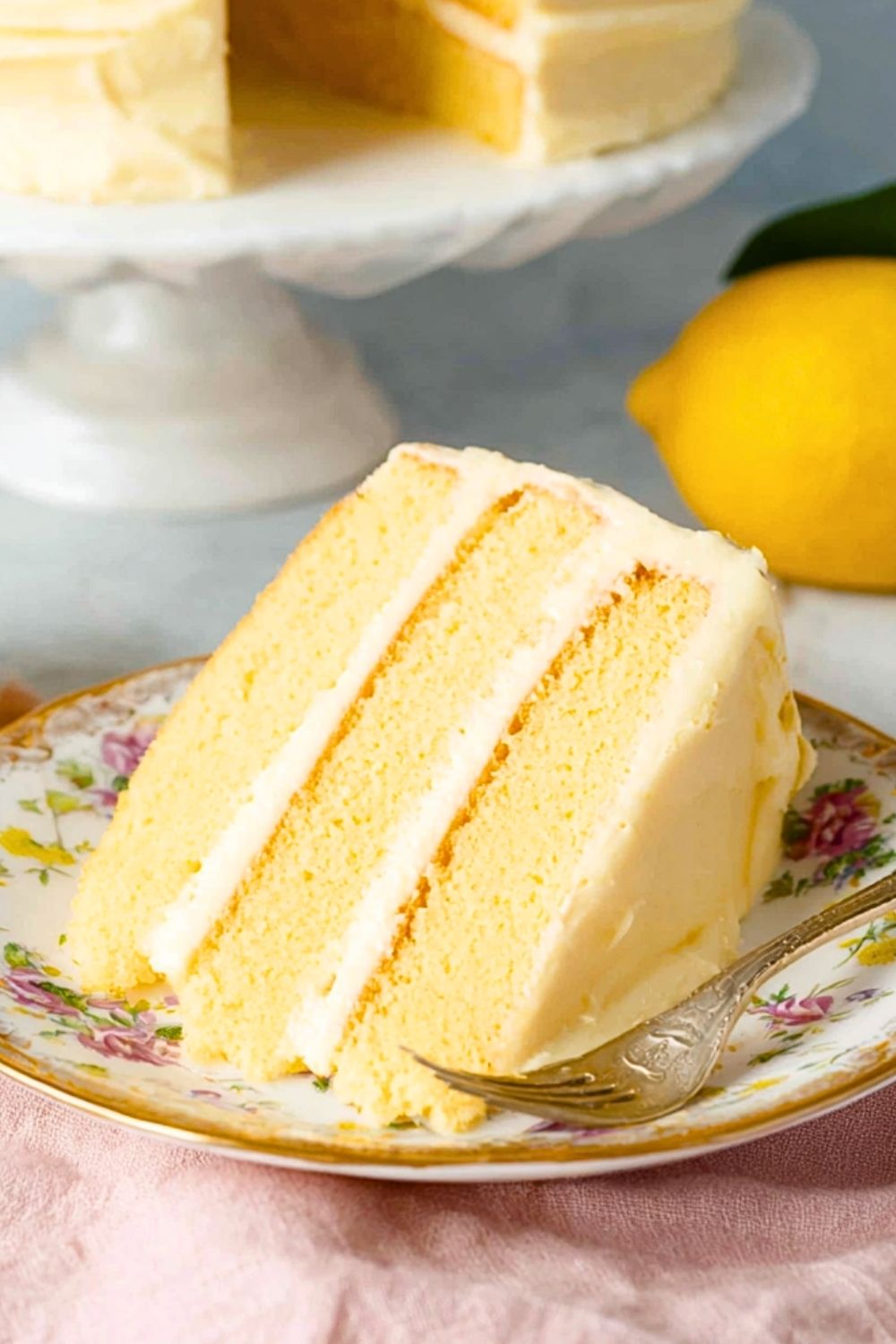
What I enjoy most about this Lemon Layer Cake is how fresh it tastes compared to heavier desserts. The lemon zest and juice bring a natural brightness that keeps the cake light and refreshing, while the fluffy frosting adds just the right amount of richness. It is the kind of dessert that looks beautiful on the table and disappears quickly once everyone takes a slice.
Why You’ll Love This Lemon Layer Cake
This Lemon Layer Cake stands out because of its soft texture and vibrant citrus flavor. The cake layers stay moist while still feeling airy, which makes each bite smooth and satisfying. The lemon flavor is noticeable without being overpowering, giving the dessert a refreshing finish.
Another reason to love this cake is its versatility. It works wonderfully for celebrations, afternoon tea, holiday tables, or simple family desserts. The elegant layered appearance also makes it feel bakery-worthy without requiring advanced baking skills.
The frosting adds a creamy contrast that pairs beautifully with the tart lemon notes. Whether you prefer classic buttercream or cream cheese frosting, the combination creates a dessert that feels balanced and indulgent.
What Kind of Lemons Should I Use for Lemon Layer Cake?
Fresh lemons are always the best choice for this cake because they provide the brightest flavor and aroma. Using freshly squeezed lemon juice and fresh zest helps create a natural citrus taste that bottled juice simply cannot match.
Meyer lemons are an excellent option if you prefer a slightly sweeter and less acidic flavor. Traditional Eureka or Lisbon lemons, however, offer the classic tangy lemon taste that many people expect in a Lemon Layer Cake.
When choosing lemons, look for fruits that feel heavy for their size and have smooth, vibrant skin. These usually contain more juice and provide better zest for baking.
Options for Substitutions
If you need to make adjustments, this Lemon Layer Cake can easily adapt to different ingredients while still tasting delicious.
For the flour, cake flour creates the softest texture, but all-purpose flour can also work if that is what you already have in your kitchen. A gluten-free baking blend may be used for a gluten-free version.
Greek yogurt or sour cream can replace buttermilk to maintain moisture and tenderness in the cake layers. These ingredients also add a slight tang that complements the lemon flavor beautifully.
If you prefer a dairy-free option, plant-based butter and non-dairy milk alternatives such as almond milk or oat milk can be substituted in both the cake and frosting.
Honey or maple syrup may replace part of the sugar for a slightly deeper sweetness, though the cake texture may become a little denser. You can also experiment with different frostings, including whipped cream frosting or mascarpone frosting, for a lighter finish.
Ingredients for this Lemon Layer Cake
Cake Flour
Cake flour gives the Lemon Layer Cake its delicate, tender texture. The lower protein content helps create soft and fluffy layers that feel light while still holding together beautifully.
Baking Powder
Baking powder helps the cake rise evenly and creates the airy structure that makes each layer soft and moist.
Salt
A small amount of salt balances the sweetness and enhances the bright lemon flavor throughout the cake.
Unsalted Butter
Butter adds richness and creates a smooth, buttery flavor that pairs perfectly with the citrus notes. Using unsalted butter allows better control over the cake’s overall flavor.
Granulated Sugar
Sugar sweetens the cake while also helping create a tender crumb and light texture.
Eggs
Eggs provide structure, moisture, and stability to the batter. They also help create a rich texture and beautiful golden color.
Fresh Lemon Zest
Lemon zest contains natural oils that deliver intense citrus aroma and flavor. It is one of the most important ingredients for achieving a fresh lemon taste.
Fresh Lemon Juice
Freshly squeezed lemon juice adds brightness and a slightly tangy flavor that keeps the cake refreshing instead of overly sweet.
Vanilla Extract
Vanilla extract softens the tartness of the lemon and adds warmth to the overall flavor profile.
Buttermilk
Buttermilk creates moisture and tenderness while adding a subtle tang that complements the lemon perfectly.
Cream Cheese
Cream cheese is often used in the frosting because it provides a creamy texture with a slight tanginess that balances the sweetness.
Powdered Sugar
Powdered sugar sweetens the frosting and helps create a smooth and fluffy consistency.
Heavy Cream
Heavy cream can be added to the frosting to create a lighter, silkier texture that spreads easily across the cake.
Lemon Extract
A small amount of lemon extract intensifies the citrus flavor and helps the lemon taste stand out even after baking.
Fresh Lemon Slices or Zest for Garnish
Fresh garnish adds a decorative touch while enhancing the fresh citrus appearance of the finished dessert.
Step 1: Prepare the Baking Pans
Start by preheating the oven to 350°F. Grease and line two or three round cake pans with parchment paper to prevent sticking and ensure easy removal after baking.
Preparing the pans properly is important because delicate lemon cake layers can break apart if they stick to the pan. Lightly dusting the pans with flour also helps create clean cake edges.
Step 2: Mix the Dry Ingredients
In a large bowl, whisk together the cake flour, baking powder, and salt. Mixing the dry ingredients separately ensures the leavening agents distribute evenly throughout the batter.
This step helps prevent uneven rising and keeps the texture smooth and consistent in every slice.
Step 3: Cream the Butter and Sugar
In another mixing bowl, beat the butter and granulated sugar together until the mixture becomes pale and fluffy. This process incorporates air into the batter, creating a lighter cake texture.
Take your time during this step because properly creamed butter and sugar contribute significantly to the softness of the cake.
Step 4: Add the Eggs and Flavorings
Add the eggs one at a time, mixing well after each addition. Then stir in the vanilla extract, lemon zest, lemon juice, and lemon extract.
The fresh zest and juice release natural citrus oils into the batter, creating a vibrant and refreshing flavor throughout the cake.
Step 5: Alternate Dry Ingredients and Buttermilk
Gradually add the dry ingredients to the butter mixture, alternating with the buttermilk. Begin and end with the dry ingredients to maintain a smooth batter.
Avoid overmixing at this stage because too much mixing can create a dense cake instead of a soft and fluffy texture.
Step 6: Divide and Bake the Batter
Pour the batter evenly into the prepared cake pans. Smooth the tops gently with a spatula to help the layers bake evenly.
Bake the cakes until the tops are lightly golden and a toothpick inserted into the center comes out clean. The baking time may vary slightly depending on the size and number of cake pans used.
Allow the cakes to cool in the pans for several minutes before transferring them to a wire rack to cool completely.
Step 7: Prepare the Frosting
Beat the cream cheese and butter together until smooth and creamy. Gradually add powdered sugar and mix until fluffy.
Add heavy cream if needed for a softer texture, then mix in lemon juice or lemon extract for additional citrus flavor.
The frosting should feel smooth, creamy, and easy to spread without becoming too thin.
Step 8: Assemble the Lemon Layer Cake
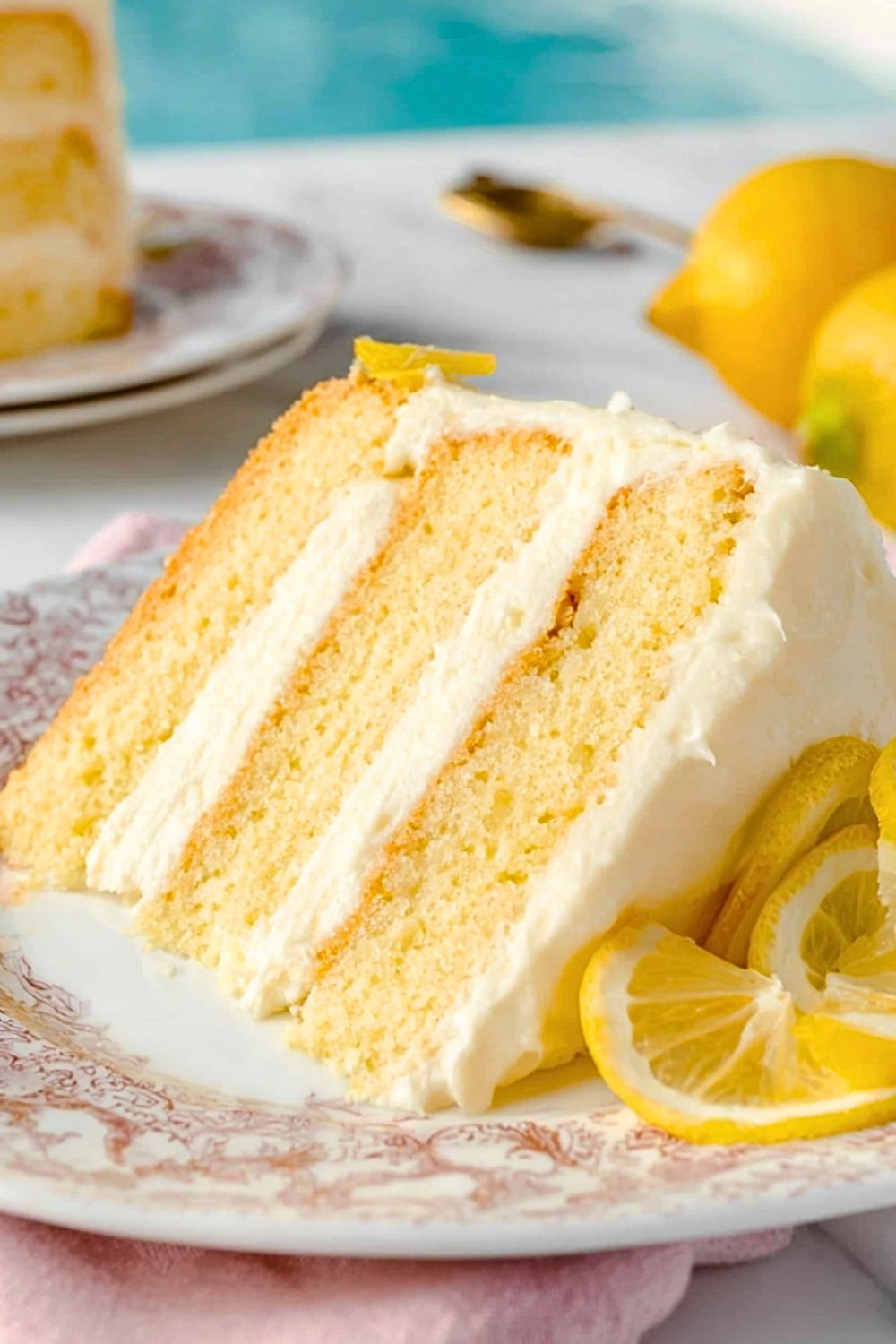
Place one cake layer on a serving plate or cake stand. Spread an even layer of frosting across the top using an offset spatula.
Repeat the process with the remaining cake layers, making sure the frosting is evenly distributed between each layer.
Apply a thin crumb coat around the outside of the cake and chill briefly before adding the final layer of frosting.
Step 9: Decorate the Cake
Finish the cake with swirls of frosting, fresh lemon zest, lemon slices, or edible flowers for an elegant appearance.
Decorating the cake not only makes it visually beautiful but also highlights the fresh citrus flavors inside.
Step 10: Chill and Serve
Allow the assembled Lemon Layer Cake to chill for at least 30 minutes before slicing. This helps the frosting set properly and makes cleaner slices.
Serve chilled or at room temperature for the perfect balance of soft cake and creamy frosting. The bright lemon flavor becomes even more refreshing after the cake has rested.
How Long to Prepare the Lemon Layer Cake
Preparing a Lemon Layer Cake takes a little time, but the final result is absolutely worth the effort. Most of the preparation involves mixing the batter carefully, baking the cake layers evenly, allowing the cakes to cool completely, and assembling the frosting between the layers. The process is simple enough for home bakers, but giving each step proper attention helps create a bakery-style dessert.
The preparation time for the batter is usually around 25 to 35 minutes, depending on how quickly the ingredients are measured and mixed. Baking the cake layers generally takes about 25 to 30 minutes. Cooling the cakes completely before frosting is essential and may require another 45 minutes to 1 hour. Once cooled, assembling and decorating the cake often takes an additional 20 to 30 minutes.
Preparation Time
Preparing the ingredients, zesting lemons, mixing the batter, and preparing the cake pans usually takes around 30 minutes.
Baking Time
The cake layers typically bake for 25 to 30 minutes, depending on the oven and pan size.
Cooling Time
Cooling is one of the most important stages because warm cake layers can melt the frosting. Expect about 1 hour for proper cooling.
Assembly Time
Frosting the layers and decorating the cake generally takes 20 to 30 minutes.
Total Time
The total process from start to finish usually takes around 2 to 2½ hours, including cooling and assembly.
Tips for Perfect Lemon Layer Cake
Always use room-temperature ingredients when baking this cake. Butter, eggs, and buttermilk mix more smoothly into the batter and help create a more even texture.
Fresh lemons make a significant difference in flavor. Fresh zest contains natural oils that provide the strongest citrus aroma, while fresh juice delivers a brighter and more natural tartness.
Measure the flour carefully to avoid creating a dry or dense cake. Spoon the flour into the measuring cup and level it gently instead of scooping directly from the container.
Do not overmix the batter once the dry ingredients are added. Overmixing develops too much gluten and can make the cake heavy instead of soft and fluffy.
Allow the cake layers to cool completely before frosting. Chilling the layers slightly can also make assembling the cake much easier.
Using a crumb coat before the final frosting layer helps create a cleaner and more professional-looking cake.
For extra lemon flavor, brush the cake layers lightly with lemon syrup before frosting them. This keeps the cake moist while adding additional citrus brightness.
Watch Out for These Mistakes While Cooking
One common mistake is using bottled lemon juice instead of fresh lemons. Bottled juice often lacks the vibrant flavor needed for a truly refreshing Lemon Layer Cake.
Overbaking the cake layers can quickly dry them out. Begin checking the cakes a few minutes before the recommended baking time to avoid losing moisture.
Adding frosting to warm cake layers can cause the frosting to slide and melt. Patience during the cooling stage is essential for a stable layered cake.
Another issue is uneven cake layers. Dividing the batter evenly between the pans helps the cake bake uniformly and creates a more polished appearance.
Using cold ingredients directly from the refrigerator may prevent the batter from mixing properly, resulting in a dense texture.
Applying too much frosting between the layers can make the cake unstable. Keeping even, moderate layers of frosting helps the cake hold its shape beautifully.
What to Serve With Lemon Layer Cake?
Fresh Berries
Fresh strawberries, raspberries, blueberries, or blackberries pair beautifully with the citrus flavor of the cake. Their natural sweetness and slight tartness complement the lemon perfectly.
Vanilla Ice Cream
A scoop of creamy vanilla ice cream creates a delicious contrast with the bright lemon flavor while adding extra richness to the dessert.
Hot Tea
Lemon Layer Cake tastes especially wonderful with tea. Earl Grey, chamomile, green tea, or black tea all pair nicely with the fresh citrus notes.
Whipped Cream
Light whipped cream adds an airy and creamy element that keeps the dessert feeling soft and refreshing.
Fresh Lemonade
Serving the cake with chilled lemonade enhances the citrus flavor and creates a refreshing dessert combination for warm weather gatherings.
Storage Instructions
Lemon Layer Cake stores very well when handled properly, making it a wonderful dessert to prepare ahead of time for parties and gatherings.
Storing in the Refrigerator
Because the frosting often contains cream cheese or butter, the cake should be refrigerated. Store it in an airtight cake container or cover it carefully with plastic wrap to prevent it from drying out.
The cake usually stays fresh in the refrigerator for up to 5 days. Allow slices to sit at room temperature for about 15 to 20 minutes before serving for the best texture.
Freezing the Cake Layers
Unfrosted cake layers freeze beautifully. Wrap each layer tightly in plastic wrap followed by aluminum foil before placing them in the freezer.
Frozen cake layers can typically be stored for up to 2 months. Thaw them overnight in the refrigerator before frosting.
Freezing the Fully Assembled Cake
The assembled cake can also be frozen if needed. Freeze the cake uncovered first until the frosting firms up slightly, then wrap it securely.
Thaw the cake gradually in the refrigerator before serving to maintain the texture of both the cake and frosting.
Estimated Nutrition
The nutritional values for Lemon Layer Cake can vary depending on the frosting type, portion size, and ingredient substitutions used.
Estimated Nutrition Per Slice
- Calories: 520
- Carbohydrates: 62g
- Protein: 6g
- Fat: 28g
- Saturated Fat: 17g
- Cholesterol: 115mg
- Sodium: 260mg
- Sugar: 45g
- Fiber: 1g
These estimates are based on a standard layered cake sliced into equal portions.
Frequently Asked Questions
Can I make Lemon Layer Cake ahead of time?
Yes, the cake layers can be baked a day or two in advance. Store them tightly wrapped in the refrigerator or freezer until ready to assemble.
Can I use all-purpose flour instead of cake flour?
Yes, all-purpose flour can be used, although cake flour creates a softer and lighter texture.
How can I make the lemon flavor stronger?
Adding extra lemon zest, lemon syrup, or a small amount of lemon extract can intensify the citrus flavor.
Can this cake be made gluten-free?
Yes, a high-quality gluten-free flour blend designed for baking can be substituted for the cake flour.
What frosting works best with Lemon Layer Cake?
Cream cheese frosting is one of the most popular choices because its tanginess pairs beautifully with lemon, but buttercream and whipped frosting also work wonderfully.
Conclusion
Lemon Layer Cake is the perfect dessert for anyone who loves bright citrus flavors combined with soft, fluffy cake layers and creamy frosting. Its refreshing taste makes it ideal for celebrations, spring gatherings, birthdays, holidays, or simply enjoying a homemade treat with family and friends.
What makes this cake truly special is its balance of sweetness and tartness. The fresh lemon flavor keeps every bite light and vibrant while the rich frosting creates a smooth and satisfying finish. With a few simple techniques and fresh ingredients, this beautiful layered dessert can easily become one of your favorite homemade cakes.
Whether served with fresh berries, tea, or a scoop of vanilla ice cream, Lemon Layer Cake always feels elegant, comforting, and unforgettable.
Lemon Layer Cake
- Prep Time: 30 minutes
- Cook Time: 30 minutes
- Total Time: 2 hours
- Yield: 12 slices 1x
- Category: Dessert
- Method: Baking
- Cuisine: American
- Diet: Vegetarian
Description
This Lemon Layer Cake is soft, moist, and packed with fresh citrus flavor in every bite. The fluffy cake layers paired with creamy lemon frosting create a refreshing dessert that feels elegant enough for celebrations yet simple enough for a weekend treat. Whether you are searching for easy dessert ideas, spring cake recipes, homemade cake inspiration, or refreshing food ideas, this bright and delicious lemon cake is guaranteed to impress family and guests alike.
Ingredients
2 ½ cups cake flour
2 ½ teaspoons baking powder
½ teaspoon salt
1 cup unsalted butter, softened
1 ¾ cups granulated sugar
4 large eggs
2 tablespoons fresh lemon zest
⅓ cup fresh lemon juice
1 teaspoon vanilla extract
1 cup buttermilk
8 ounces cream cheese, softened
1 cup unsalted butter, softened
4 cups powdered sugar
2 tablespoons fresh lemon juice
1 teaspoon lemon extract
2 tablespoons heavy cream
Fresh lemon slices
Extra lemon zest
Instructions
1. Preheat the oven to 350°F and grease two 8-inch round cake pans. Line the pans with parchment paper for easy removal.
2. In a medium bowl, whisk together the cake flour, baking powder, and salt until evenly combined.
3. In a large mixing bowl, beat the butter and granulated sugar until light and fluffy.
4. Add the eggs one at a time, mixing well after each addition.
5. Mix in the lemon zest, lemon juice, and vanilla extract until fully combined.
6. Gradually add the dry ingredients to the batter, alternating with the buttermilk. Mix until just combined.
7. Divide the batter evenly between the prepared cake pans and smooth the tops.
8. Bake for 25 to 30 minutes or until a toothpick inserted into the center comes out clean.
9. Allow the cakes to cool in the pans for 10 minutes before transferring them to a wire rack to cool completely.
10. To prepare the frosting, beat the cream cheese and butter together until smooth and creamy.
11. Gradually mix in the powdered sugar, then add the lemon juice, lemon extract, and heavy cream.
12. Place one cake layer on a serving plate and spread frosting evenly on top.
13. Add the second cake layer and frost the top and sides of the cake.
14. Decorate with fresh lemon slices and lemon zest before serving.
Notes
Use fresh lemon juice and zest for the brightest citrus flavor.
Allow the cake layers to cool completely before frosting to prevent the frosting from melting.
Chill the cake for at least 30 minutes before slicing for cleaner layers and easier serving.
Nutrition
- Serving Size: 1 slice
- Calories: 520
- Sugar: 45g
- Sodium: 260mg
- Fat: 28g
- Saturated Fat: 17g
- Unsaturated Fat: 9g
- Trans Fat: 0g
- Carbohydrates: 62g
- Fiber: 1g
- Protein: 6g
- Cholesterol: 115mg
Keywords: lemon layer cake, easy cake recipe, homemade lemon cake, citrus dessert, spring dessert, cake ideas, dessert ideas