
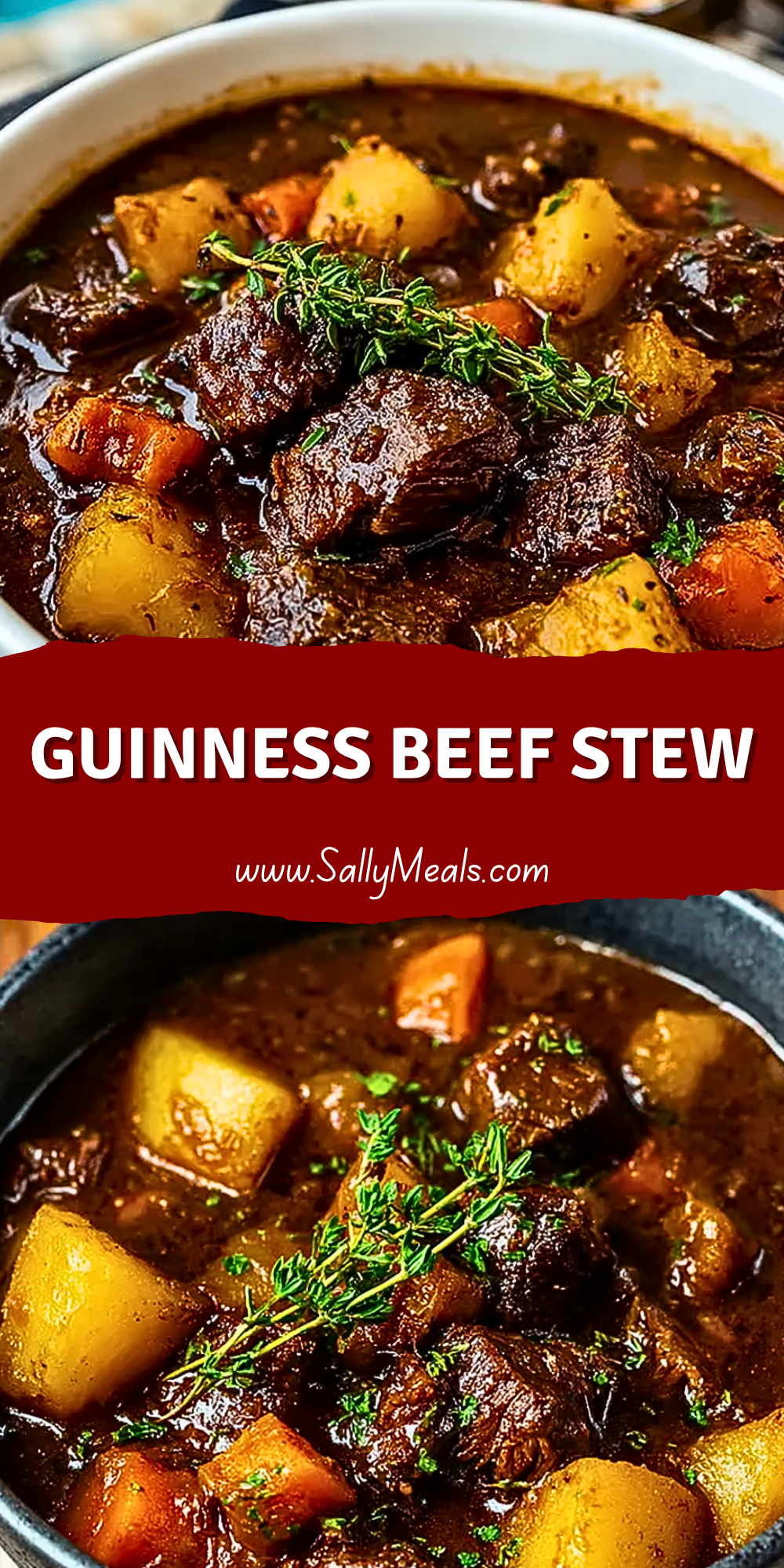
There’s something deeply comforting about a pot of Guinness Beef Stew slowly simmering on the stove. I love how the rich aroma of tender beef, hearty vegetables, and dark stout fills the kitchen, making the whole house feel warm and inviting. Every spoonful delivers bold flavor with melt-in-your-mouth beef and perfectly cooked potatoes soaked in a savory broth.
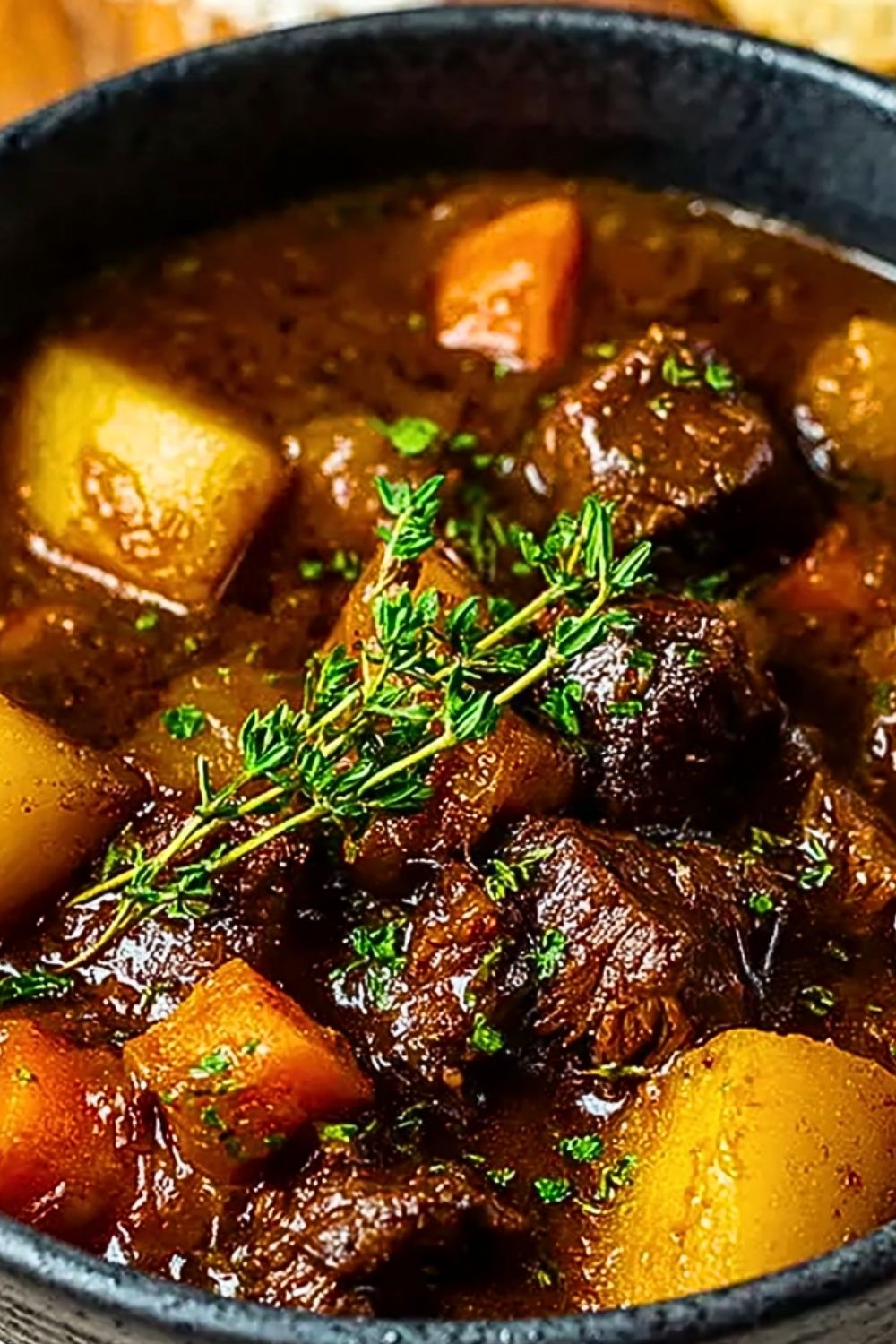
I often make this stew on chilly evenings or whenever I want a satisfying meal that feels both rustic and special. The Guinness adds a deep, malty richness that transforms a classic beef stew into something unforgettable. Paired with crusty bread or enjoyed on its own, this dish always feels like pure comfort food.
Why You’ll Love This Guinness Beef Stew
This Guinness Beef Stew is packed with rich, slow-cooked flavor that tastes like it simmered all day in a cozy country kitchen. The beef becomes incredibly tender while the vegetables absorb the savory broth, creating a hearty meal that feels filling and satisfying.
Another reason I keep coming back to this recipe is how reliable and easy it is. Once everything is in the pot, the stew mostly cooks on its own. It’s ideal for family dinners, meal prep, or serving guests because the flavors become even better as it rests.
The Guinness stout gives the broth a bold depth without overpowering the dish. Instead of tasting bitter, it blends beautifully with the beef stock and herbs to create a rich, velvety sauce that makes every bite irresistible.
What Makes Guinness Beef Stew So Flavorful?
One of the secrets behind the incredible flavor of Guinness Beef Stew is the slow cooking process. Allowing the beef to simmer gently for an extended time helps break down the meat until it becomes fork-tender while also deepening the richness of the broth.
The Guinness stout itself plays a major role in the final taste. Its roasted malt flavor adds complexity and a subtle earthy bitterness that balances the savory ingredients perfectly. Combined with onions, garlic, carrots, and herbs, the stew develops layers of flavor that taste comforting and robust.
Another important factor is browning the beef before simmering. Those caramelized bits at the bottom of the pot add depth and richness that make the broth taste hearty and homemade.
Options for Substitutions
If you don’t have Guinness on hand, you can substitute another dark stout or porter beer. A non-alcoholic stout also works well if you want to avoid alcohol while still keeping that deep, malty flavor.
For the beef, chuck roast is the traditional choice because it becomes tender during slow cooking, but stew meat or brisket can also work beautifully. If you prefer a leaner option, beef round may be used, although it may not be quite as rich.
Potatoes can easily be swapped depending on what you have available. Yukon Gold potatoes create a creamy texture, while red potatoes hold their shape nicely during simmering.
If you’d like to add extra vegetables, parsnips, mushrooms, or peas make excellent additions. Fresh thyme can also be replaced with rosemary or dried Italian herbs for a slightly different flavor profile.
For a gluten-free version, use gluten-free flour to coat the beef and choose a gluten-free stout alternative. The stew will still develop a thick and hearty consistency.
Ingredients for This Guinness Beef Stew
Beef Chuck Roast
Beef chuck roast is the heart of this stew because it becomes incredibly tender after slow cooking. The marbled fat melts into the broth, creating rich flavor and juicy bites of beef throughout the dish.
Guinness Stout
Guinness stout gives the stew its signature deep and hearty flavor. The dark beer adds roasted malt notes and richness that perfectly complement the savory beef and vegetables.
Beef Broth
Beef broth creates the flavorful base of the stew. It combines with the stout and herbs to form a thick, comforting gravy-like sauce that coats every ingredient beautifully.
Potatoes
Potatoes add heartiness and help make the stew filling and satisfying. Yukon Gold potatoes become creamy and buttery, while russet potatoes soak up the flavorful broth.
Carrots
Carrots bring a touch of natural sweetness that balances the bold richness of the stout and beef. They also add beautiful color and texture to the stew.
Celery
Celery provides an earthy, savory flavor that helps build the classic stew base. It also adds subtle freshness to the long-simmered broth.
Onion
Onion is essential for building depth and sweetness in the stew. As it cooks down, it blends into the broth and enhances every bite.
Garlic
Garlic adds warmth and robust flavor that complements the richness of the beef and Guinness perfectly.
Tomato Paste
Tomato paste intensifies the savory flavor while adding slight sweetness and acidity to balance the broth.
Flour
Flour helps coat the beef before browning and naturally thickens the stew as it cooks.
Olive Oil
Olive oil is used for searing the beef and sautéing the vegetables, helping create rich caramelized flavor.
Worcestershire Sauce
Worcestershire sauce deepens the savory flavor and adds subtle tanginess that enhances the richness of the stew.
Fresh Thyme
Fresh thyme gives the stew a comforting herbal aroma that pairs beautifully with beef and stout.
Bay Leaves
Bay leaves slowly infuse the broth with earthy flavor during simmering.
Salt
Salt enhances all the flavors in the stew and helps season the beef properly.
Black Pepper
Black pepper adds warmth and mild spice that balances the richness of the broth.
Parsley
Fresh parsley brightens the finished stew and adds a fresh pop of color before serving.
Step 1: Prepare the Beef
Pat the beef chuck roast dry using paper towels to help it brown properly. Cut the beef into evenly sized cubes so they cook consistently. Season the pieces generously with salt and black pepper.
Place the beef into a large bowl and sprinkle flour over the top. Toss until every piece is lightly coated. The flour will help create a beautiful crust during browning while also thickening the stew later.
Step 2: Brown the Beef
Heat olive oil in a large Dutch oven or heavy-bottomed pot over medium-high heat. Once the oil is hot, add the beef in batches without overcrowding the pan.
Allow the beef to sear undisturbed for several minutes before turning. Browning the meat deeply is one of the most important steps because it builds rich flavor at the base of the stew.
Transfer the browned beef to a plate and continue until all pieces are caramelized.
Step 3: Cook the Vegetables
Reduce the heat slightly and add chopped onions, carrots, and celery to the same pot. Stir frequently while the vegetables soften and absorb the flavorful browned bits from the bottom.
Cook the vegetables for several minutes until the onions become translucent and fragrant.
Add the minced garlic and cook briefly until aromatic. Stir in the tomato paste and let it cook for another minute to deepen its flavor.
Step 4: Deglaze the Pot With Guinness
Slowly pour the Guinness stout into the pot while stirring continuously. Use a wooden spoon to scrape up all the caramelized bits stuck to the bottom of the pot.
This process adds incredible richness and ensures none of the flavorful browned pieces are wasted.
Allow the stout to simmer for a few minutes so the alcohol cooks off slightly while the flavors concentrate.
Step 5: Build the Stew Base
Return the browned beef to the pot along with any juices collected on the plate.
Pour in the beef broth and stir in Worcestershire sauce, thyme, and bay leaves. The liquid should mostly cover the beef and vegetables.
Bring the mixture to a gentle simmer while stirring occasionally.
Step 6: Slow Simmer the Stew
Cover the pot partially with a lid and reduce the heat to low. Let the stew simmer slowly for about 1½ to 2 hours.
During this time, the beef becomes tender while the broth develops deep, rich flavor. Stir occasionally to prevent sticking and check the liquid level if needed.
Slow cooking is what transforms the stew into a comforting dish with fork-tender beef and velvety sauce.
Step 7: Add the Potatoes
Add the chopped potatoes during the final 35 to 45 minutes of cooking.
Cooking the potatoes later prevents them from becoming overly soft or falling apart. They absorb the flavorful broth while maintaining their shape and creamy texture.
Continue simmering until the potatoes are tender when pierced with a fork.
Step 8: Adjust the Seasoning
Taste the stew carefully and adjust the seasoning with additional salt and black pepper if needed.
If the broth feels too thick, add a small splash of beef broth. If it feels thinner than desired, allow the stew to simmer uncovered for several more minutes.
Removing the bay leaves before serving helps keep the flavor balanced and smooth.
Step 9: Garnish and Serve
Ladle the hot Guinness Beef Stew into bowls and sprinkle fresh chopped parsley over the top.
Serve the stew with crusty bread, buttered biscuits, or creamy mashed potatoes for a hearty and satisfying meal.
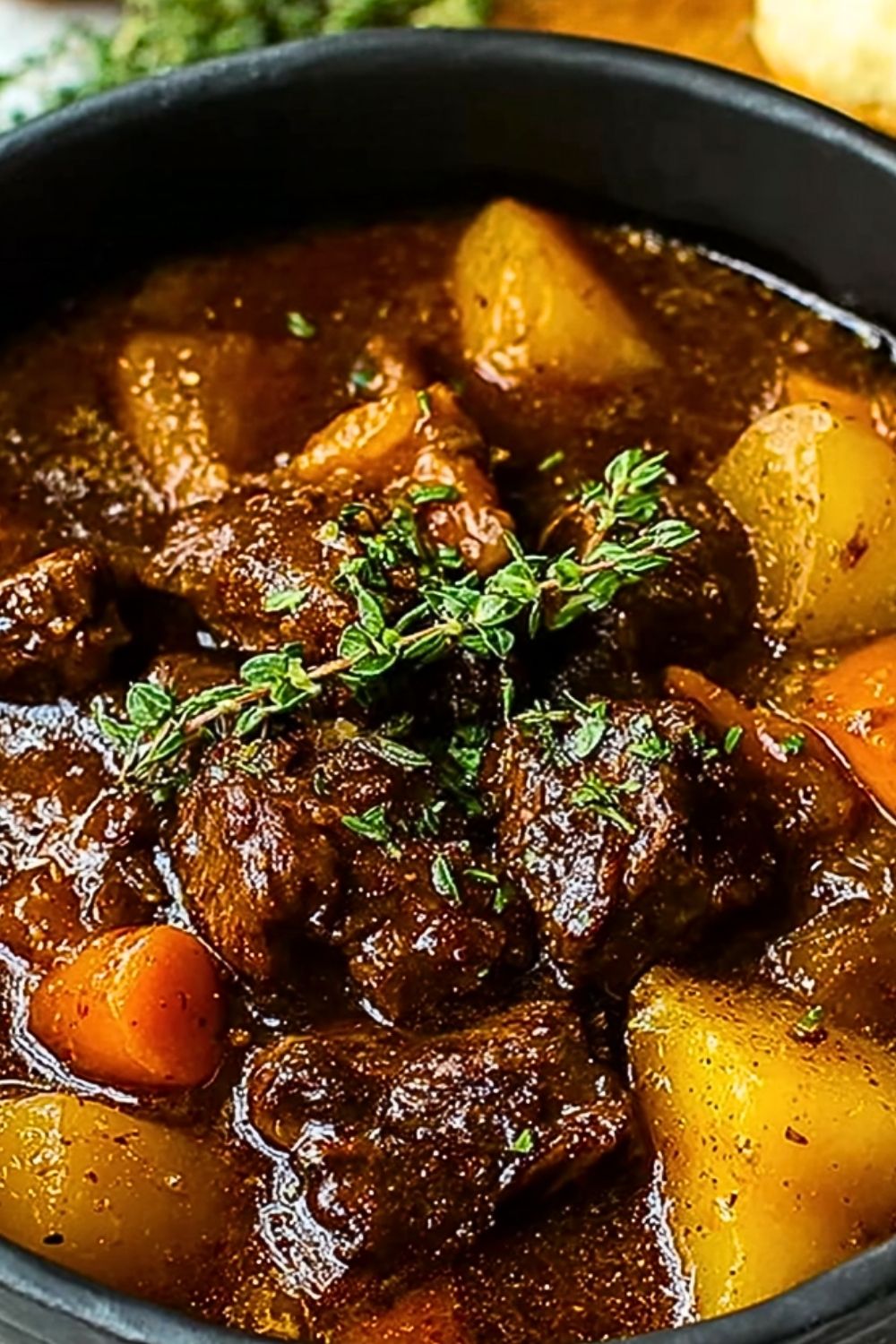
The rich aroma, tender beef, and velvety broth make every bowl deeply comforting and full of flavor.
Guinness Beef Stew
How Long to Prepare the Guinness Beef Stew
Guinness Beef Stew is one of those comforting meals that rewards patience. While the preparation itself is fairly simple, the real magic happens during the slow simmering process. Taking the time to properly brown the beef and slowly cook the ingredients allows the flavors to deepen and develop into a rich, hearty stew.
The total cooking time usually ranges between 2½ and 3 hours depending on the size of the beef pieces and how tender you want the meat to become. Although it requires a longer cooking period, most of the time is hands-off, making it perfect for relaxed weekend cooking or meal prep.
Preparation Time
Preparing the ingredients typically takes about 20 to 30 minutes. This includes cutting the beef into cubes, chopping the vegetables, measuring seasonings, and coating the beef with flour.
Taking your time during preparation helps the cooking process run smoothly and ensures even cooking throughout the stew.
Browning Time
Properly browning the beef usually takes around 15 to 20 minutes. Searing the meat in batches prevents overcrowding and helps create the rich caramelized flavor that forms the foundation of the stew.
Although this step may seem time-consuming, it dramatically improves the overall taste and texture.
Simmering Time
The stew should simmer slowly for approximately 1½ to 2 hours before adding the potatoes. During this time, the beef softens and the broth develops a thick, velvety consistency.
After adding the potatoes, continue cooking for another 35 to 45 minutes until they become perfectly tender.
Resting Time
Allowing the stew to rest for about 10 minutes before serving helps the flavors settle and slightly thickens the broth.
Many people find that Guinness Beef Stew tastes even better the next day because the ingredients continue absorbing flavor overnight.
Tips for Perfect Guinness Beef Stew
Brown the Beef Thoroughly
Deep browning creates layers of savory flavor that make the stew taste rich and homemade. Avoid rushing this step and let the meat develop a dark golden crust.
Cook in Batches
Overcrowding the pot causes the beef to steam instead of sear. Browning smaller batches gives better texture and flavor.
Use a Heavy Pot
A Dutch oven or heavy-bottomed pot distributes heat evenly and prevents scorching during long simmering.
Simmer Gently
A gentle simmer keeps the beef tender. Boiling the stew too aggressively can make the meat tough and dry.
Add Potatoes Later
Adding the potatoes near the end of cooking keeps them from becoming mushy while still allowing them to absorb the flavorful broth.
Taste Before Serving
Always taste the stew before serving and adjust the seasoning if needed. Sometimes a little extra salt or black pepper brings all the flavors together.
Let It Rest
Allowing the stew to sit briefly before serving helps the broth thicken naturally and improves the flavor.
Garnish for Freshness
Fresh parsley or thyme brightens the deep richness of the stew and adds beautiful color to the finished dish.
Watch Out for These Mistakes While Cooking
Skipping the Browning Step
Browning the beef is essential for flavor. If the meat is added directly to the liquid without searing, the stew may taste flat and less rich.
Using Lean Cuts of Beef
Very lean beef can become dry during long cooking. Chuck roast works best because the marbling keeps the meat tender and juicy.
Cooking at High Heat
Cooking too quickly can make the beef tough and prevent the flavors from developing fully.
Adding Too Much Flour
Too much flour may create a heavy or pasty broth. A light coating on the beef is enough to thicken the stew naturally.
Overcooking the Potatoes
Potatoes added too early may break apart and disappear into the broth. Adding them later keeps their texture intact.
Forgetting to Deglaze the Pot
The browned bits stuck to the bottom contain incredible flavor. Deglazing with Guinness helps incorporate those flavors into the stew.
Underseasoning the Broth
Slow-cooked dishes often need additional seasoning near the end. Taste carefully and adjust before serving.
What to Serve With Guinness Beef Stew?
Crusty Artisan Bread
Warm crusty bread is perfect for soaking up the thick, flavorful broth. A rustic loaf adds texture and makes the meal feel even more comforting.
Creamy Mashed Potatoes
Serving the stew over mashed potatoes creates an extra hearty meal with rich and velvety texture.
Buttered Biscuits
Soft buttery biscuits pair beautifully with the savory stew and help balance the bold Guinness flavor.
Roasted Green Vegetables
Roasted Brussels sprouts, green beans, or asparagus add freshness and a slightly crisp texture alongside the rich stew.
Irish Soda Bread
Traditional Irish soda bread complements the Guinness flavor perfectly and adds a rustic touch to the meal.
Storage Instructions
Refrigerating Guinness Beef Stew
Allow the stew to cool completely before transferring it to airtight containers. Store it in the refrigerator for up to 4 days.
As the stew chills, the flavors continue to deepen, often making leftovers taste even richer and more flavorful.
Freezing Guinness Beef Stew
This stew freezes exceptionally well. Place cooled stew into freezer-safe containers or bags and freeze for up to 3 months.
Leaving a little extra space in the container allows the liquid to expand during freezing.
Reheating Instructions
Reheat the stew slowly on the stovetop over medium-low heat until thoroughly warmed.
If the broth thickens too much during storage, add a splash of beef broth or water while reheating to loosen the consistency.
Microwaving individual portions also works well for quick meals.
Estimated Nutrition
Calories
Approximately 420 to 520 calories per serving depending on portion size and ingredients used.
Protein
Rich in protein from the beef, providing approximately 30 to 35 grams per serving.
Carbohydrates
The potatoes and vegetables contribute around 20 to 30 grams of carbohydrates.
Fat
The stew contains moderate fat from the beef and cooking oil, typically around 18 to 25 grams per serving.
Fiber
Vegetables add dietary fiber, averaging around 4 to 6 grams per serving.
Sodium
Sodium levels vary based on broth and seasoning choices, generally ranging between 700 and 1000 milligrams.
Frequently Asked Questions
Can I Make Guinness Beef Stew in a Slow Cooker?
Yes, this stew works beautifully in a slow cooker. Brown the beef and vegetables first, then transfer everything to the slow cooker and cook on low for 7 to 8 hours.
Does the Stew Taste Strongly Like Beer?
No, the Guinness mainly adds richness and depth rather than a strong beer flavor. The bitterness mellows significantly during cooking.
Can I Make This Stew Ahead of Time?
Absolutely. In fact, the stew often tastes even better the next day because the flavors continue developing overnight.
What Cut of Beef Works Best?
Chuck roast is the preferred cut because it becomes tender and flavorful during slow cooking.
Can I Freeze Leftovers?
Yes, Guinness Beef Stew freezes very well and can be stored for several months when sealed properly.
Conclusion
Guinness Beef Stew is the ultimate comfort food with its rich broth, tender beef, and hearty vegetables. The slow simmering process creates incredible depth of flavor, while the Guinness stout adds warmth and richness that make this dish unforgettable.
Whether served for a cozy family dinner, meal prep, or a special weekend gathering, this stew delivers satisfying flavor in every spoonful. Paired with crusty bread or creamy mashed potatoes, it’s a timeless recipe that always feels comforting and hearty.
Guinness Beef Stew
Ingredients
- 2 pounds beef chuck roast cut into cubes
- 2 tablespoons all-purpose flour
- 1 teaspoon salt
- 1 teaspoon black pepper
- 2 tablespoons olive oil
- 1 large onion chopped
- 3 carrots sliced
- 2 celery stalks chopped
- 4 garlic cloves minced
- 2 tablespoons tomato paste
- 1 bottle Guinness stout beer
- 4 cups beef broth
- 1 tablespoon Worcestershire sauce
- 1 teaspoon fresh thyme
- 2 bay leaves
- 4 Yukon Gold potatoes cubed
- 2 tablespoons fresh parsley chopped
Instructions
- 1. Pat the beef dry with paper towels and cut into evenly sized cubes. Season with salt and black pepper, then coat lightly with flour.
- 2. Heat olive oil in a large Dutch oven over medium-high heat. Brown the beef in batches until deeply caramelized on all sides. Transfer the browned beef to a plate.
- 3. In the same pot, add onions, carrots, and celery. Cook until softened and fragrant.
- 4. Stir in the garlic and tomato paste, cooking for about 1 minute until rich and aromatic.
- 5. Slowly pour in the Guinness stout while scraping the browned bits from the bottom of the pot.
- 6. Return the beef to the pot and add beef broth, Worcestershire sauce, thyme, and bay leaves.
- 7. Bring the stew to a gentle simmer, partially cover, and cook for 1½ to 2 hours until the beef becomes tender.
- 8. Add the potatoes during the final 35 to 45 minutes of cooking and continue simmering until fork-tender.
- 9. Remove the bay leaves and adjust seasoning with additional salt and pepper if needed.
- 10. Garnish with fresh parsley and serve hot with crusty bread or mashed potatoes.