

I always come back to this Easy Homemade Beef Stew whenever I need a comforting dinner that feels hearty without requiring complicated cooking techniques. The rich broth, tender beef, and perfectly cooked vegetables create the kind of meal that fills the kitchen with incredible aromas and makes everyone eager to gather around the table. It’s one of those classic recipes that tastes even better as the flavors slowly blend together.
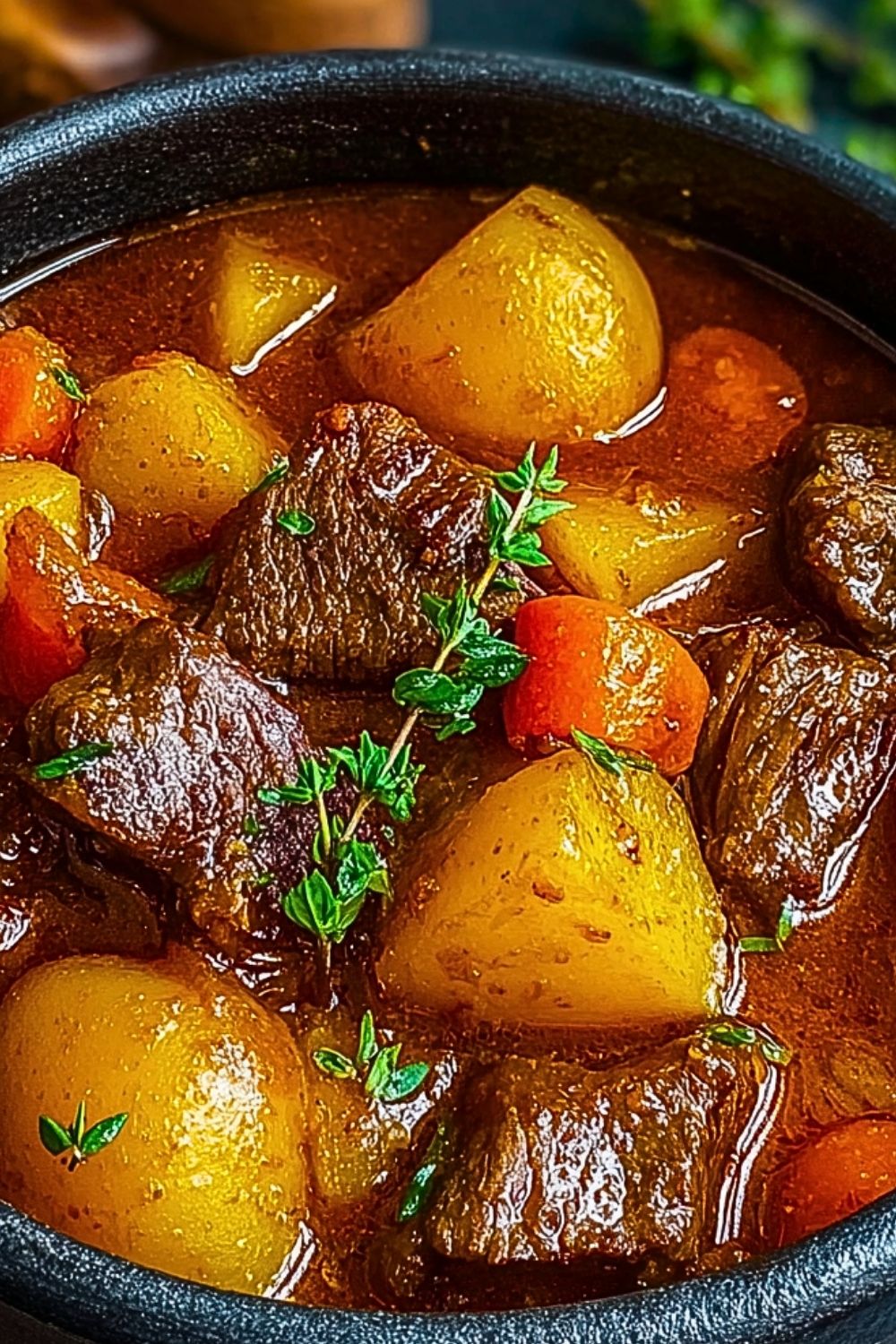
What I love most about this beef stew is how simple ingredients can turn into something deeply satisfying. The slow simmer allows the beef to become melt-in-your-mouth tender while the potatoes and carrots soak up every bit of the savory broth. Whether I make it on a chilly evening or for a cozy weekend meal, this recipe always delivers warm and comforting flavors.
Why You’ll Love This Easy Homemade Beef Stew
This Easy Homemade Beef Stew is packed with rich flavor while still being approachable for home cooks of any skill level. The beef becomes incredibly tender, and the vegetables add natural sweetness and texture to every bite.
Another reason this recipe stands out is its flexibility. You can prepare it on the stovetop, in a slow cooker, or even in a Dutch oven for long, slow cooking. It also stores beautifully, making it perfect for meal prep or leftovers throughout the week.
The hearty combination of beef, potatoes, carrots, and herbs creates a balanced and satisfying meal all on its own. It’s comforting, filling, and ideal for family dinners or casual gatherings.
What Cut of Beef Should I Use for Easy Homemade Beef Stew?
The best cut of beef for Easy Homemade Beef Stew is usually chuck roast because it becomes wonderfully tender during slow cooking. Chuck roast has enough marbling to keep the meat juicy while adding depth to the broth.
Beef stew meat sold at grocery stores can also work well, but it’s often a mix of different cuts. If possible, cutting your own chuck roast into cubes gives you more consistent results.
For an even richer flavor, short ribs or brisket can be used as alternatives. These cuts require longer cooking times, but they reward you with deeply savory results and an extra luxurious texture.
Options for Substitutions
If you don’t have Yukon Gold potatoes, red potatoes or russet potatoes can easily take their place. Red potatoes hold their shape nicely, while russets create a softer, thicker stew texture.
Carrots can be swapped with parsnips or sweet potatoes for a slightly sweeter flavor profile. Celery can also be added for more depth and texture.
For the broth, beef stock provides the richest flavor, but chicken broth or vegetable broth can work in a pinch. Adding a splash of Worcestershire sauce or tomato paste can help boost the savory taste if needed.
Fresh thyme adds wonderful herbal flavor, but dried thyme, rosemary, or Italian seasoning are all great alternatives. You can also customize the stew with peas, mushrooms, or green beans depending on what you have available.
Ingredients for this Easy Homemade Beef Stew
Beef Chuck Roast
Beef chuck roast is the heart of this stew and provides deep, rich flavor as it slowly cooks. The marbling in the meat breaks down during simmering, creating tender bites that practically melt in your mouth.
Potatoes
Potatoes add heartiness and help make the stew filling and comforting. Yukon Gold potatoes are especially great because they hold their shape while becoming soft and creamy inside.
Carrots
Carrots bring natural sweetness and beautiful color to the stew. As they cook, they soften perfectly and balance the savory richness of the broth.
Onion
Onion builds the foundation of flavor for the stew. When sautéed, it adds sweetness and depth that enhance the entire dish.
Garlic
Garlic gives the stew a warm, savory aroma and adds another layer of rich flavor that blends beautifully with the beef and herbs.
Beef Broth
Beef broth creates the flavorful base of the stew. It ties all the ingredients together and develops a rich, comforting consistency during cooking.
Tomato Paste
Tomato paste intensifies the savory flavor and adds richness to the broth without overpowering the stew.
Worcestershire Sauce
Worcestershire sauce adds a deep umami flavor that makes the broth taste more robust and balanced.
Olive Oil
Olive oil is used for browning the beef and sautéing the vegetables. It helps develop those delicious caramelized flavors.
Flour
Flour lightly coats the beef and helps thicken the stew as it simmers, creating a rich and velvety texture.
Fresh Thyme
Fresh thyme brings earthy herbal notes that complement the beef and vegetables perfectly.
Bay Leaves
Bay leaves slowly infuse the broth with subtle aromatic flavor while the stew cooks.
Salt
Salt enhances all the natural flavors in the stew and helps season the beef properly.
Black Pepper
Black pepper adds gentle warmth and balances the richness of the broth.
Celery
Celery contributes freshness and savory depth that rounds out the stew beautifully.
Peas
Peas add a touch of sweetness and vibrant color near the end of cooking.
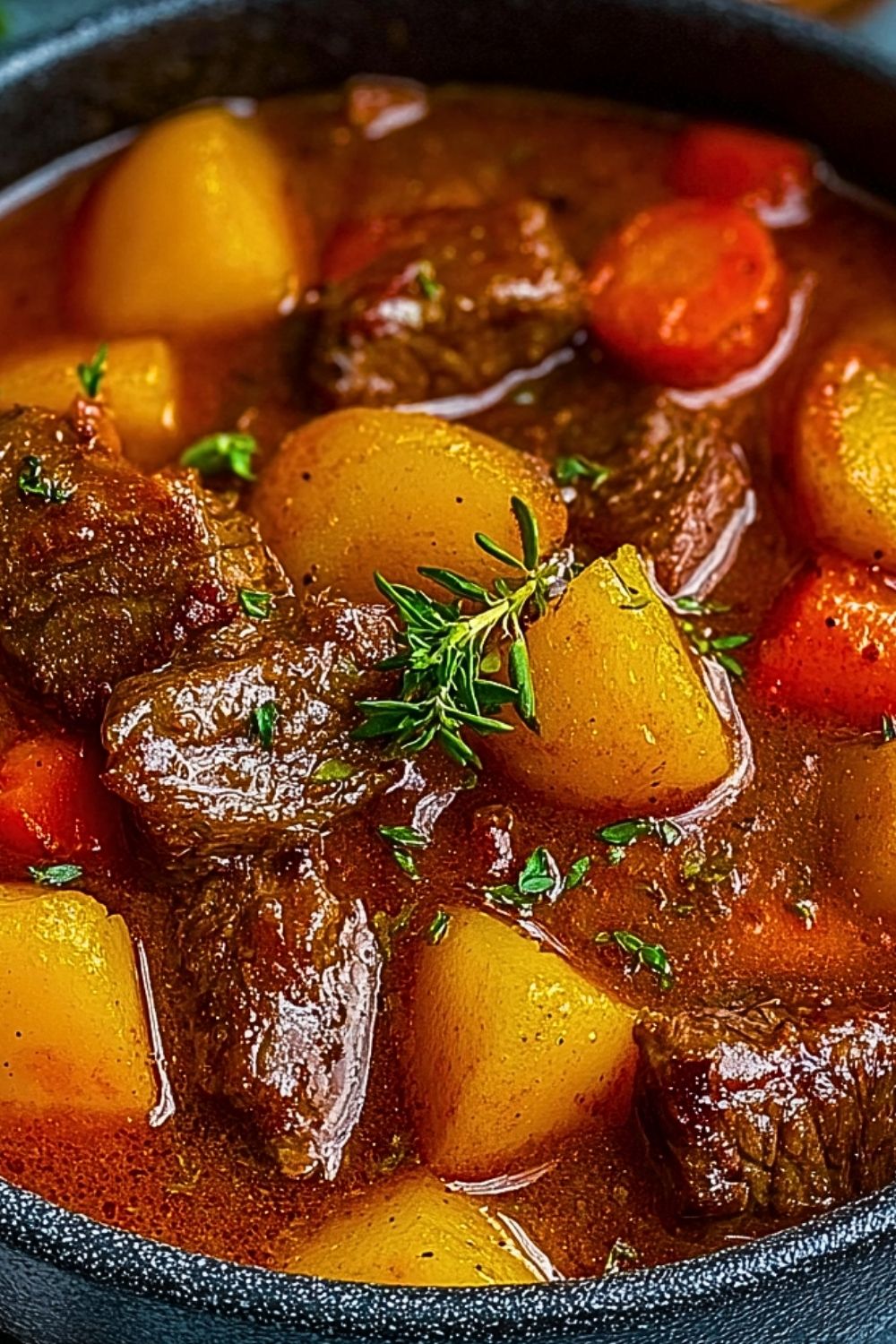
Step 1: Prepare the Beef
Pat the beef cubes dry with paper towels before seasoning them generously with salt and black pepper. Drying the meat helps it brown properly instead of steaming.
Place the beef into a large bowl and lightly toss it with flour. The flour coating helps create a beautiful crust during browning while also helping the stew thicken naturally later.
Allow the beef to sit for a few minutes while you prepare the remaining ingredients. This gives the seasoning time to absorb into the meat.
Step 2: Brown the Beef
Heat olive oil in a large Dutch oven or heavy-bottomed pot over medium-high heat. Once the oil is hot, add the beef in batches to avoid overcrowding.
Sear each piece until browned on all sides. This process develops a deep caramelized flavor that forms the base of the stew.
Transfer the browned beef to a plate and continue until all the meat is seared. Avoid rushing this step because proper browning creates much richer flavor.
Step 3: Sauté the Vegetables
In the same pot, add chopped onions and celery. Cook for several minutes until softened and lightly golden.
Stir in the garlic and cook briefly until fragrant. The garlic should become aromatic without browning too much.
Add the tomato paste and cook for another minute. This step deepens the flavor and removes any raw taste from the paste.
Step 4: Build the Broth
Pour the beef broth into the pot while scraping the bottom with a wooden spoon. This loosens all the flavorful browned bits left behind from searing the beef.
Stir in Worcestershire sauce, thyme, and bay leaves. These ingredients create a rich and savory broth filled with comforting flavor.
Return the browned beef and any juices back into the pot.
Step 5: Simmer the Stew
Bring the stew to a gentle simmer before lowering the heat. Cover the pot partially with a lid and let it cook slowly.
Allow the stew to simmer for about 1½ to 2 hours. Slow cooking helps break down the connective tissue in the beef, making it incredibly tender.
Stir occasionally to prevent sticking and to ensure even cooking throughout.
Step 6: Add the Potatoes and Carrots
Once the beef has started becoming tender, add the potatoes and carrots to the pot.
Continue simmering for another 30 to 40 minutes until the vegetables are fork-tender but still hold their shape.
The potatoes naturally thicken the broth slightly while soaking up the rich flavors.
Step 7: Add the Final Ingredients
Stir in the peas during the last few minutes of cooking so they stay bright and fresh.
Taste the stew and adjust the seasoning with additional salt and black pepper if needed.
Remove the bay leaves before serving.
Step 8: Let the Stew Rest Before Serving
Allow the stew to rest for about 10 minutes before serving. This helps the flavors settle and slightly thickens the broth.
Serve the stew warm with crusty bread, biscuits, or a simple green salad for a complete meal.
The rich broth, tender beef, and soft vegetables create a comforting dish that tastes even better with every bite.
How Long to Prepare Easy Homemade Beef Stew
Easy Homemade Beef Stew is not a difficult recipe to make, but it does require enough time for the beef to slowly become tender and flavorful. Most of the preparation involves chopping vegetables, seasoning the beef, and building layers of flavor before the long simmering process begins.
The prep work itself usually takes about 20 to 30 minutes, depending on how quickly the vegetables are prepared and the beef is trimmed and cubed. Browning the beef in batches can take additional time, but this step is essential because it creates the rich flavor base that makes the stew taste deeply savory.
Preparation Time
The preparation stage includes washing and cutting the vegetables, cubing the beef, measuring ingredients, and seasoning everything properly. Organizing all ingredients before cooking helps the process move smoothly and efficiently.
Estimated prep time: 25 minutes.
Cooking Time
The cooking process takes the longest because the stew needs to simmer slowly for the beef to become fork-tender. Slow simmering also allows the broth to thicken naturally while the vegetables absorb all the delicious flavors.
Estimated cooking time: 2 to 2½ hours.
Total Time
From start to finish, you can expect the entire recipe to take around 2½ to 3 hours. While it may seem lengthy, most of the cooking time is hands-off simmering.
Estimated total time: 2 hours 45 minutes.
Tips for Perfect Easy Homemade Beef Stew
Brown the Beef Properly
One of the most important steps is browning the beef thoroughly before simmering. A deep golden-brown crust adds incredible flavor to the broth and gives the stew a richer taste overall.
Avoid Overcrowding the Pot
Cook the beef in small batches rather than placing everything into the pot at once. Overcrowding traps steam and prevents proper caramelization.
Use Low and Slow Cooking
A gentle simmer is the secret to tender beef. Cooking too quickly at high heat can make the meat tough instead of soft and juicy.
Choose the Right Potatoes
Waxy potatoes such as Yukon Gold or red potatoes hold their shape best during long cooking. They create a creamy texture without falling apart completely.
Taste and Adjust Seasoning
The broth develops gradually as the stew cooks. Taste the stew near the end and adjust salt, pepper, or herbs to create balanced flavor.
Let the Stew Rest
Allowing the stew to sit for a few minutes before serving helps the flavors settle and slightly thickens the broth.
Watch Out for These Mistakes While Cooking
Skipping the Browning Step
Browning the beef creates deep flavor that cannot be achieved later. Skipping this step often results in a flatter-tasting stew.
Cooking at High Heat
Boiling the stew aggressively can cause the beef to become chewy and dry. Gentle simmering produces much better texture.
Adding Vegetables Too Early
Potatoes and carrots can become overly soft if added too soon. Adding them later ensures they stay tender without turning mushy.
Using Too Much Flour
While flour helps thicken the stew, too much can make the broth heavy and pasty instead of silky and rich.
Underseasoning the Broth
A large pot of stew requires enough seasoning to bring out all the flavors. Taste carefully and season gradually throughout the cooking process.
Not Allowing Enough Cooking Time
Beef stew improves with patience. If the meat still feels tough, it usually needs more simmering time.
What to Serve With Easy Homemade Beef Stew?
Crusty Artisan Bread
Warm crusty bread is perfect for soaking up the rich and savory broth. The crisp exterior and soft interior pair beautifully with the hearty stew.
Buttery Biscuits
Fluffy biscuits add comfort and richness to the meal. They are especially delicious when dipped into the thick broth.
Creamy Mashed Potatoes
Although the stew already contains potatoes, serving it over mashed potatoes creates an even heartier and more comforting dinner.
Steamed Green Beans
Fresh green beans add brightness and balance to the richness of the stew. Their crisp texture contrasts nicely with the tender meat and vegetables.
Simple Garden Salad
A light salad with fresh greens and vinaigrette helps balance the hearty flavors of the beef stew while adding freshness to the meal.
Storage Instructions
Refrigerating Leftovers
Allow the stew to cool completely before transferring it to airtight containers. Properly stored beef stew can stay fresh in the refrigerator for up to 4 days.
Interestingly, the flavors often become even richer after sitting overnight because the ingredients continue absorbing the savory broth.
Freezing the Stew
Easy Homemade Beef Stew freezes very well. Place cooled portions into freezer-safe containers or freezer bags, leaving a little room for expansion.
The stew can typically be frozen for up to 3 months while maintaining excellent flavor and texture.
Reheating Instructions
Reheat the stew slowly on the stovetop over medium-low heat, stirring occasionally until warmed through.
If the broth thickens too much during storage, simply add a splash of beef broth or water while reheating to restore the desired consistency.
Estimated Nutrition
Calories
Approximately 420–500 calories per serving depending on portion size and ingredients used.
Protein
Beef provides a generous amount of protein, typically around 30–35 grams per serving.
Carbohydrates
Potatoes and carrots contribute approximately 25–35 grams of carbohydrates.
Fat
The stew contains moderate fat from the beef and olive oil, usually around 18–24 grams per serving.
Fiber
Vegetables in the stew provide roughly 4–6 grams of fiber per serving.
Sodium
Sodium levels vary depending on the broth and seasonings used, especially if store-bought broth is included.
Frequently Asked Questions
Can I Make Easy Homemade Beef Stew in a Slow Cooker?
Yes, this recipe works wonderfully in a slow cooker. Brown the beef first for maximum flavor, then transfer everything into the slow cooker and cook on low for 7–8 hours.
Why Is My Beef Still Tough?
Tough beef usually means it needs more cooking time. Slow simmering helps break down connective tissue and eventually creates tender meat.
Can I Add More Vegetables?
Absolutely. Mushrooms, peas, green beans, parsnips, and celery root are all excellent additions.
How Can I Thicken the Stew?
If you prefer a thicker broth, you can simmer the stew uncovered for a little longer or stir in a small cornstarch slurry near the end of cooking.
Can I Make This Stew Ahead of Time?
Yes, beef stew is an excellent make-ahead meal because the flavors become even better after resting overnight in the refrigerator.
Conclusion
Easy Homemade Beef Stew is the kind of comforting meal that never goes out of style. With tender chunks of beef, hearty vegetables, and a rich savory broth, it delivers warmth and satisfaction in every spoonful.
The slow simmering process may take time, but the result is absolutely worth it. From cozy family dinners to meal prep for busy weeks, this stew is dependable, flavorful, and deeply comforting.
Once you make this recipe, it’s easy to see why homemade beef stew remains a timeless favorite for so many people.
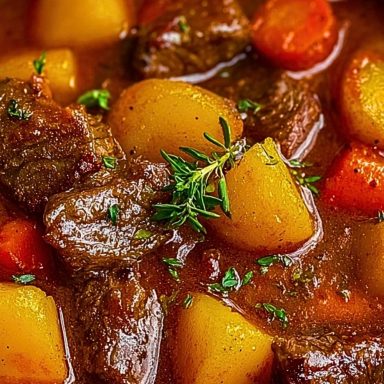
Easy Homemade Beef Stew
Ingredients
- 2 pounds beef chuck roast cut into cubes
- 2 tablespoons olive oil
- 3 tablespoons all-purpose flour
- 1 teaspoon salt
- 1 teaspoon black pepper
- 1 large onion chopped
- 3 garlic cloves minced
- 3 celery stalks chopped
- 4 large carrots peeled and cut into chunks
- 1½ pounds Yukon Gold potatoes cut into chunks
- 4 cups beef broth
- 2 tablespoons tomato paste
- 1 tablespoon Worcestershire sauce
- 1 teaspoon fresh thyme
- 2 bay leaves
- 1 cup frozen peas
Instructions
- 1. Pat the beef dry with paper towels and season with salt and black pepper. Toss the beef with flour until lightly coated.
- 2. Heat olive oil in a large Dutch oven or heavy pot over medium-high heat.
- 3. Brown the beef in batches until deeply seared on all sides. Transfer the browned beef to a plate.
- 4. In the same pot, sauté the onions and celery until softened and lightly golden.
- 5. Add the garlic and cook for about 30 seconds until fragrant.
- 6. Stir in the tomato paste and cook for another minute to deepen the flavor.
- 7. Pour in the beef broth while scraping the bottom of the pot to release all the browned bits.
- 8. Stir in Worcestershire sauce, thyme, and bay leaves.
- 9. Return the browned beef and its juices back into the pot.
- 10. Bring the stew to a gentle simmer, partially cover, and cook for about 1½ to 2 hours.
- 11. Add the potatoes and carrots and continue simmering for another 30 to 40 minutes until the vegetables are tender.
- 12. Stir in the peas during the final few minutes of cooking.
- 13. Remove the bay leaves and taste the stew for seasoning adjustments.
- 14. Let the stew rest for about 10 minutes before serving warm.