
 Sally Thompson

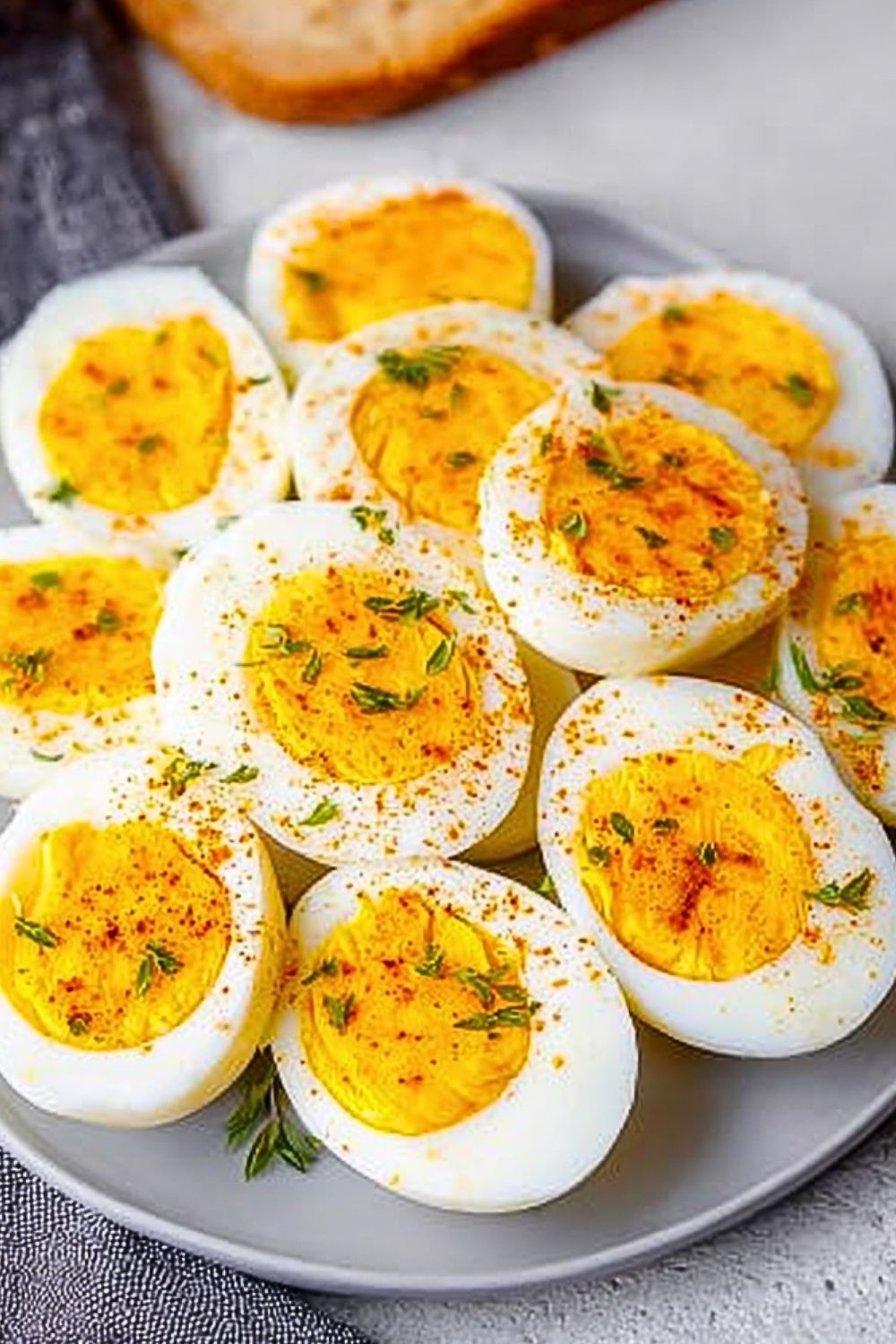
I’ve tested and tweaked my method for making hard boiled eggs more times than I can count, and I’m finally ready to say this: I’ve cracked the code. The perfect hard boiled eggs should have firm but creamy yolks, whites that are tender—not rubbery—and a peel that comes off effortlessly. I’m sharing all my secrets, so you never have to deal with chalky yolks or stubborn shells again.
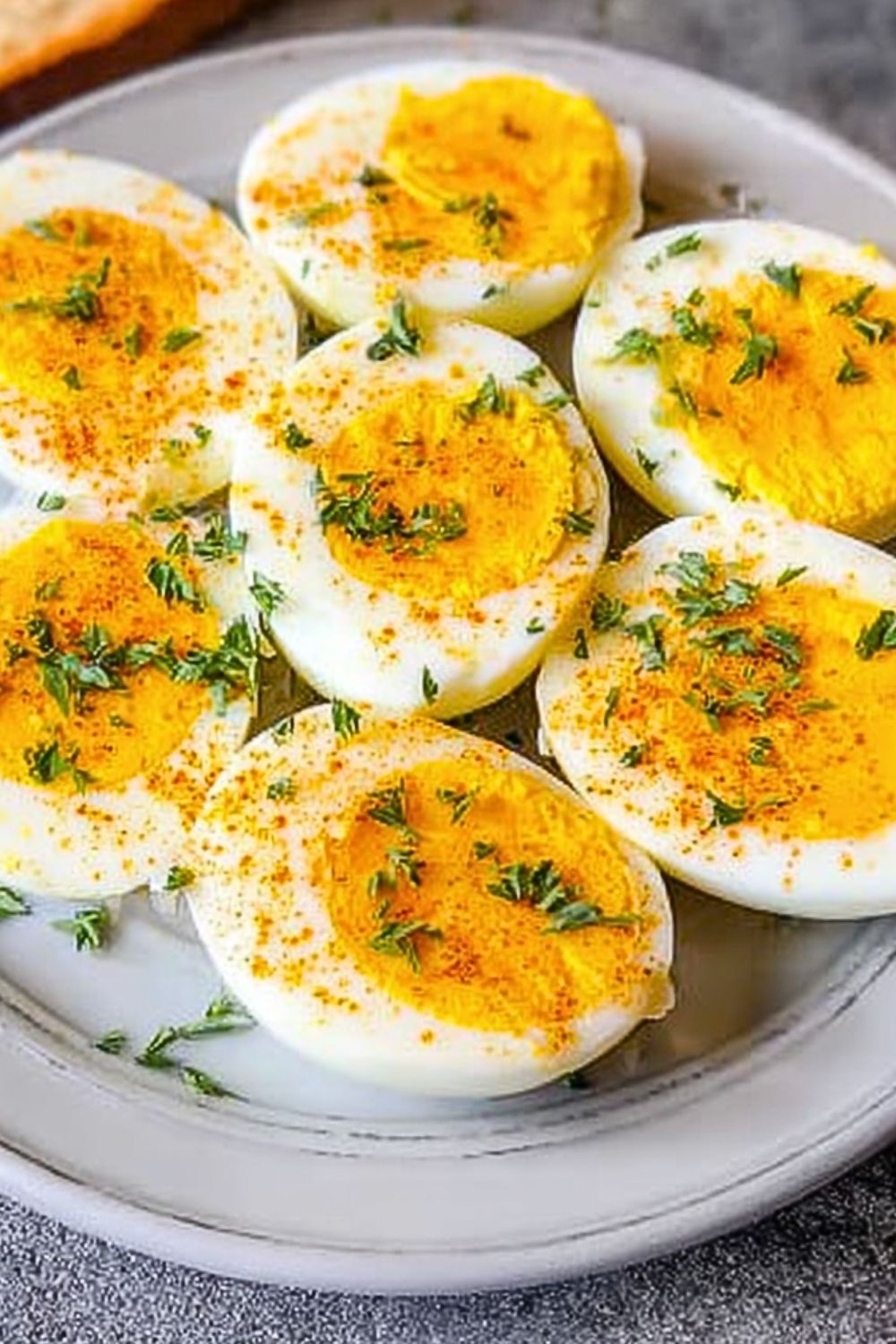
Whether I’m meal prepping for the week, topping a salad, or just craving a quick snack, these eggs have become a go-to in my kitchen. They’re simple, reliable, and consistently come out just right. Once you master this method, you’ll wonder why you ever settled for less.
Why You’ll Love This Hard Boiled Egg Recipe
This recipe takes the guesswork out of hard boiling eggs. You’ll love it because it’s easy to follow, doesn’t require any special equipment, and delivers perfect results every time. No gray rings, no rubbery whites—just smooth, flavorful eggs that peel like a dream.
Plus, these eggs are incredibly versatile. Use them in salads, sandwiches, or eat them with a pinch of salt and pepper for a protein-packed snack. They’re also great for deviled eggs or Easter egg decorating!
What Kind of Eggs Work Best for Hard Boiling?
Fresh eggs are great for frying, but when it comes to boiling, slightly older eggs actually work better. Eggs that are about 7–10 days old tend to peel more easily after boiling. The slight increase in pH over time helps loosen the membrane from the shell.
If you only have very fresh eggs, don’t worry—they can still be boiled successfully. Just add a splash of vinegar to the boiling water to help with peeling.
Options for Substitutions
While the classic hard boiled egg doesn’t require many ingredients, you can enhance or adjust the process with a few swaps:
- Add vinegar to the water to help loosen the shell for easier peeling, especially with fresher eggs.
- Use baking soda (½ teaspoon per quart of water) to increase the alkalinity and also assist in easier peeling.
- Steam instead of boil – steaming eggs for 12 minutes can yield the same results and is gentler on the eggshells.
- Ice bath vs. cold water – an ice bath stops the cooking process instantly and makes peeling simpler, but cold tap water can be used in a pinch.
Ingredients for The Best Hard Boiled Eggs
- Eggs: The star of the show. Use large eggs for best consistency and timing. Slightly older eggs (7–10 days old) are easier to peel.
- Water: Enough to fully submerge the eggs in the pot.
- Ice: Essential for the ice bath that stops cooking instantly and makes peeling easier.
- Optional: Vinegar or Baking Soda: Helps with peeling, especially for very fresh eggs.
Step 1: Choose the Right Pot
Use a saucepan or pot large enough to hold your eggs in a single layer. Overcrowding can lead to uneven cooking. Fill it with enough cold water to cover the eggs by about an inch.
Step 2: Bring the Water to a Boil
Place the pot on the stove and bring the water to a full rolling boil over high heat. Don’t add the eggs yet—wait until the water is fully boiling.
Step 3: Carefully Lower in the Eggs
Using a slotted spoon or ladle, gently lower the eggs into the boiling water. Be cautious to avoid cracking. Keep the heat on high to maintain the boil.
Step 4: Boil for 30 Seconds, Then Simmer
Let the eggs boil for just 30 seconds, then immediately reduce the heat to a gentle simmer. Cover the pot with a lid and set a timer for 11 minutes for large eggs. (Adjust slightly if your eggs are medium or extra-large.)
Step 5: Prepare an Ice Bath
While the eggs cook, fill a large bowl with ice and water. This will shock the eggs and stop the cooking process.
Step 6: Transfer Eggs to Ice Bath
Once the timer is up, use tongs or a slotted spoon to move the eggs directly into the ice bath. Let them sit for at least 5–10 minutes to cool completely.
Step 7: Peel and Serve or Store
Gently crack the shell on a hard surface and roll it to loosen. Peel under running water for easier removal. Use immediately or store them unpeeled in the fridge for up to a week.
How Long to Prepare The Best Hard Boiled Eggs
Active Cooking Time
From the moment you start heating the water to the final transfer into the ice bath, you’ll be actively involved for about 15–20 minutes. This includes the time it takes for the water to boil, simmering the eggs, and transferring them into the ice bath.
Total Time (Including Cooling)
Factoring in the cooling period in the ice bath (at least 5–10 minutes), the entire process takes around 25–30 minutes from start to finish. It’s a small investment of time for a versatile staple you can use all week.
Tips for Perfect Hard Boiled Eggs
- Start with cold water to prevent the shells from cracking due to sudden temperature change.
- Simmer, don’t boil aggressively—gentle cooking gives tender whites.
- Use a timer. Precision ensures fully cooked but not overcooked yolks.
- Add vinegar or baking soda to help with peeling, especially with fresher eggs.
- Store eggs in the fridge immediately after cooling for freshness and safety.
Watch Out for These Mistakes While Cooking
- Starting with boiling water: This can crack the eggs if they’re added too quickly or harshly.
- Overcooking: Leads to green-gray yolks and rubbery whites.
- Skipping the ice bath: Without it, eggs keep cooking, resulting in overdone yolks.
- Using very fresh eggs without help: They’ll be hard to peel unless you use vinegar or baking soda.
- Not setting a timer: Even a minute too long can affect texture and color.
What to Serve With Hard Boiled Eggs?
1. Avocado Toast
Slice or mash the egg on top of toast with smashed avocado, salt, and chili flakes for a nourishing breakfast.
2. Cobb Salad
Hard boiled eggs are essential in a Cobb salad alongside chicken, bacon, avocado, and blue cheese.
3. Ramen or Noodle Bowls
Cut the egg in half and add it to hot broth or soba noodles for extra protein and flavor.
4. Deviled Eggs
Turn them into a crowd-pleasing appetizer with mayo, mustard, and paprika.
5. Sandwiches & Wraps
Slice and layer them into a protein-rich sandwich or wrap with lettuce and tomato.
Storage Instructions
In the Fridge (Unpeeled)
Hard boiled eggs with the shell on can be stored in the fridge for up to one week. Keep them in a sealed container to prevent odor absorption.
In the Fridge (Peeled)
If peeled, place them in an airtight container with a damp paper towel to prevent drying out. Use within 4–5 days for best quality.
Do Not Freeze
Freezing hard boiled eggs is not recommended. The whites become rubbery and unpleasant once thawed.
Estimated Nutrition (Per Large Egg)
- Calories: 70
- Protein: 6g
- Total Fat: 5g
- Saturated Fat: 1.5g
- Cholesterol: 185mg
- Carbohydrates: 0.6g
- Fiber: 0g
- Sugar: 0.6g
- Sodium: 65mg
Frequently Asked Questions
What’s the best way to peel hard boiled eggs?
Cool them completely in an ice bath, then gently tap and roll them on a hard surface. Peel under running water to help remove stubborn shells.
Why do my eggs have a green ring around the yolk?
This happens when eggs are overcooked. A precise 11-minute simmer and a quick ice bath prevent this.
Can I reuse the boiling water?
Technically yes, but it’s best to use fresh water for food safety and even cooking.
Can I boil eggs in advance?
Absolutely. Hard boiled eggs are perfect for meal prep and can be stored in the fridge for up to a week.
Do I need to add salt to the boiling water?
It’s not necessary, but some people believe it helps prevent cracking. It won’t affect peeling or taste significantly.
Conclusion
Once you master The Best Hard Boiled Eggs method, you’ll never go back to guesswork or uneven results. It’s a simple yet essential recipe that can transform your weekly meal prep, upgrade your snacks, and round out your breakfast or lunch with a wholesome, protein-packed addition. Whether you enjoy them plain or dressed up, these eggs are always a reliable choice.
The Best Hard Boiled Eggs
- Prep Time: 5 minutes
- Cook Time: 11 minutes
- Total Time: 25 minutes
- Yield: 6 eggs 1x
- Category: Breakfast, Snack
- Method: Boiling
- Cuisine: Universal
Description
These are the best hard boiled eggs you’ll ever make—perfectly cooked yolks, tender whites, and shells that peel with ease. Whether you’re after a quick breakfast, easy dinner prep, or healthy snack, this foolproof method delivers reliable results every time. Ideal for breakfast ideas, food prep, dinner ideas, or as a protein-rich addition to salads and wraps, these eggs are a kitchen essential.
Ingredients
6 large eggs
Water to cover
Ice for ice bath
1 tablespoon vinegar (optional)
1/2 teaspoon baking soda (optional)
Instructions
1. Choose a pot large enough to hold the eggs in a single layer and fill it with cold water, covering the eggs by about 1 inch.
2. Bring the water to a rolling boil over high heat without the eggs in it.
3. Carefully lower the eggs into the boiling water using a slotted spoon or ladle.
4. Let boil for 30 seconds, then reduce heat to a gentle simmer and cover.
5. Simmer for 11 minutes (adjust slightly for medium or XL eggs).
6. While cooking, prepare an ice bath in a large bowl.
7. Once time is up, transfer eggs immediately to the ice bath and let them cool for at least 5–10 minutes.
8. Crack eggs on a hard surface and peel under running water.
9. Serve immediately or store unpeeled in the fridge for up to one week.
Notes
Older eggs (7–10 days old) are easier to peel than very fresh ones.
An ice bath is crucial—it stops cooking immediately and makes peeling easier.
Gently simmering instead of hard boiling ensures tender egg whites and perfect yolks.
Nutrition
- Serving Size: 1 egg
- Calories: 70
- Sugar: 0.6g
- Sodium: 65mg
- Fat: 5g
- Saturated Fat: 1.5g
- Unsaturated Fat: 2.5g
- Trans Fat: 0g
- Carbohydrates: 0.6g
- Fiber: 0g
- Protein: 6g
- Cholesterol: 185mg
Keywords: quick breakfast, easy dinner, healthy snack, breakfast ideas, dinner ideas, easy recipe, food ideas