
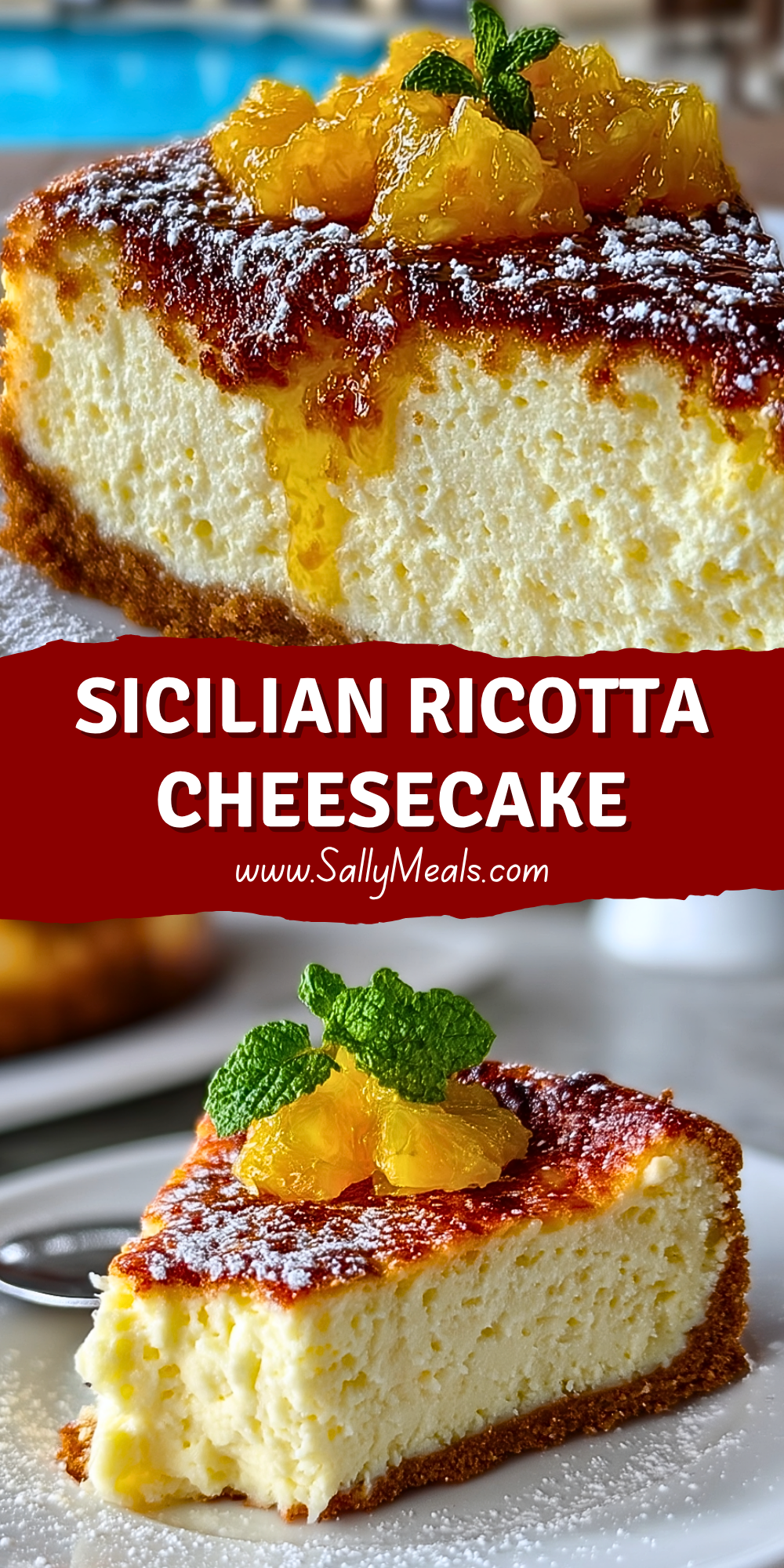
I still remember the first time I tasted Sicilian Ricotta Cheesecake—it was unlike any dessert I had tried before. Light yet creamy, subtly sweet, and carrying that unmistakable richness from fresh ricotta, it instantly became one of my favorites. What I love most is how it feels indulgent without being overly heavy, making it perfect for both special occasions and simple afternoons when you crave something comforting.
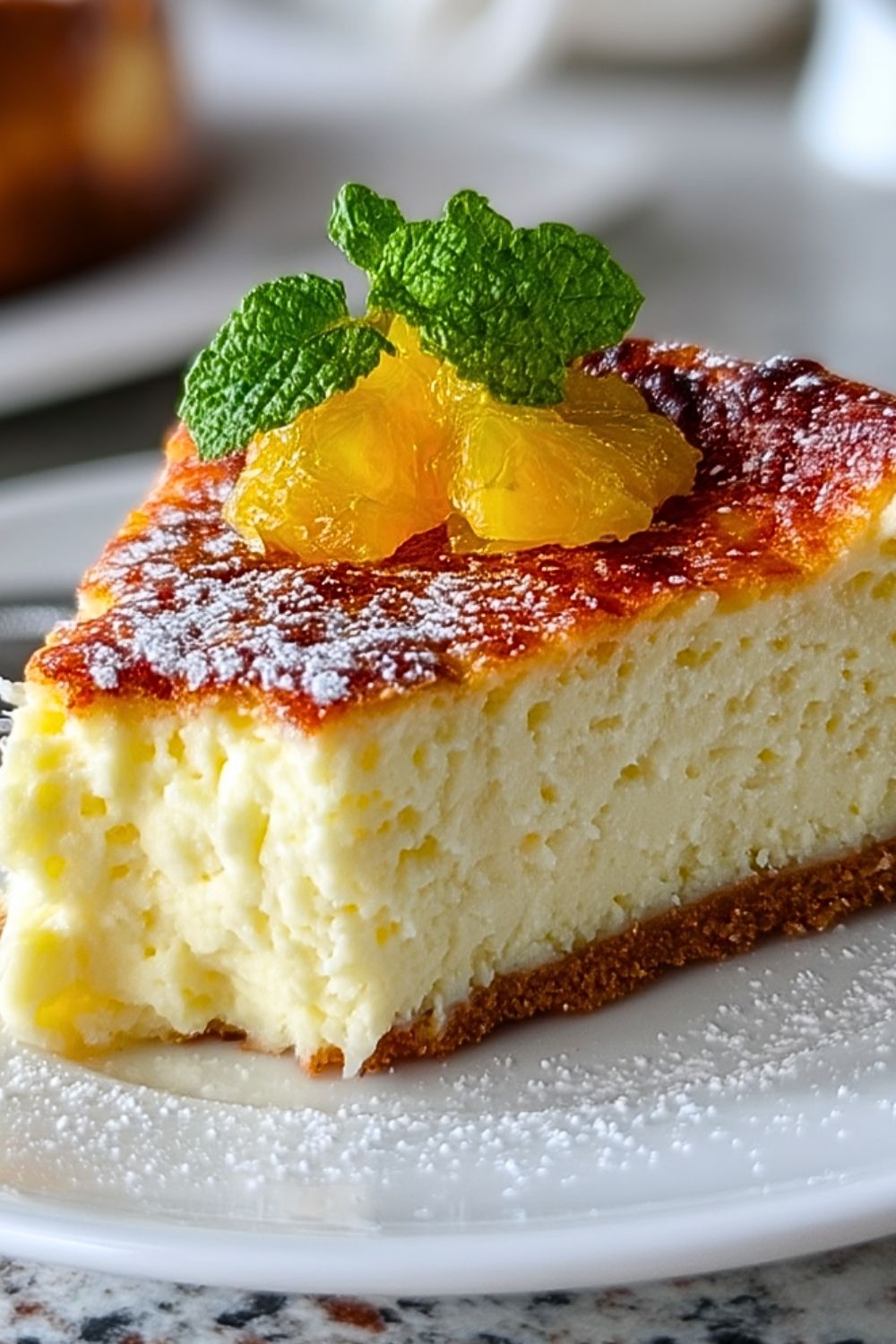
Over time, I started making this cheesecake in my own kitchen, experimenting with textures and flavors until I found a version that feels just right. The delicate crumb, the golden edges, and that soft, airy center make every bite memorable. Adding a bright citrus topping, like the one you see here, elevates it even further with a refreshing contrast.
Why You’ll Love This Sicilian Ricotta Cheesecake
This cheesecake stands out for its unique texture—it’s lighter than traditional cream cheese-based versions yet still wonderfully creamy. The ricotta gives it a slightly grainy, rustic feel that’s incredibly satisfying. It’s also less sweet, allowing the natural flavors of the ingredients to shine.
Another reason I keep coming back to this dessert is its versatility. You can dress it up with fruit, powdered sugar, or even a drizzle of honey, and it always feels elegant. Plus, it’s surprisingly simple to prepare, which makes it approachable even if you’re not an experienced baker.
What Makes Sicilian Ricotta Cheesecake Different from Regular Cheesecake?
The biggest difference lies in the cheese. Instead of cream cheese, this recipe uses ricotta, which creates a lighter and slightly fluffier texture. It also has a more delicate flavor profile, often enhanced with citrus zest or vanilla.
Traditional cheesecakes tend to be dense and rich, while Sicilian Ricotta Cheesecake feels more airy and balanced. The crust can also vary—sometimes it’s a simple crumb base, and other times it’s skipped entirely for a more rustic presentation.
Options for Substitutions
If you can’t find fresh ricotta, you can use store-bought ricotta—just make sure to drain it well to remove excess moisture. Greek yogurt can be blended in for added creaminess if needed.
For the crust, graham crackers are a common choice, but you can swap them with digestive biscuits or even almond flour for a gluten-free option. If you prefer a less sweet version, reducing the sugar slightly won’t affect the texture too much.
Flavor-wise, lemon zest is traditional, but orange zest works beautifully too. You can even add a touch of cinnamon or almond extract for a different twist.
Ingredients for this Sicilian Ricotta Cheesecake
Ricotta Cheese – This is the heart of the cheesecake. It provides that signature light, creamy, and slightly grainy texture that defines Sicilian-style desserts.
Granulated Sugar – Adds sweetness while helping to balance the mild flavor of the ricotta.
Eggs – Essential for binding the mixture together and giving the cheesecake structure while keeping it soft and airy.
All-Purpose Flour – Helps stabilize the batter slightly, ensuring the cheesecake holds its shape without becoming dense.
Vanilla Extract – Enhances the overall flavor with a warm, aromatic note.
Lemon Zest – Brings brightness and a fresh citrus aroma that complements the richness of the ricotta.
Orange Zest (Optional) – Adds a deeper citrus layer, making the flavor more complex and fragrant.
Salt – A small amount sharpens and balances all the flavors.
Butter – Used for the crust to create a rich, crisp base.
Graham Crackers or Digestive Biscuits – Form the base of the crust, adding texture and a slightly sweet crunch.
Powdered Sugar – For dusting the finished cheesecake, giving it a classic and elegant look.
Fresh Citrus Segments or Fruit Topping – Adds a refreshing contrast and enhances presentation.
Instructions for Sicilian Ricotta Cheesecake
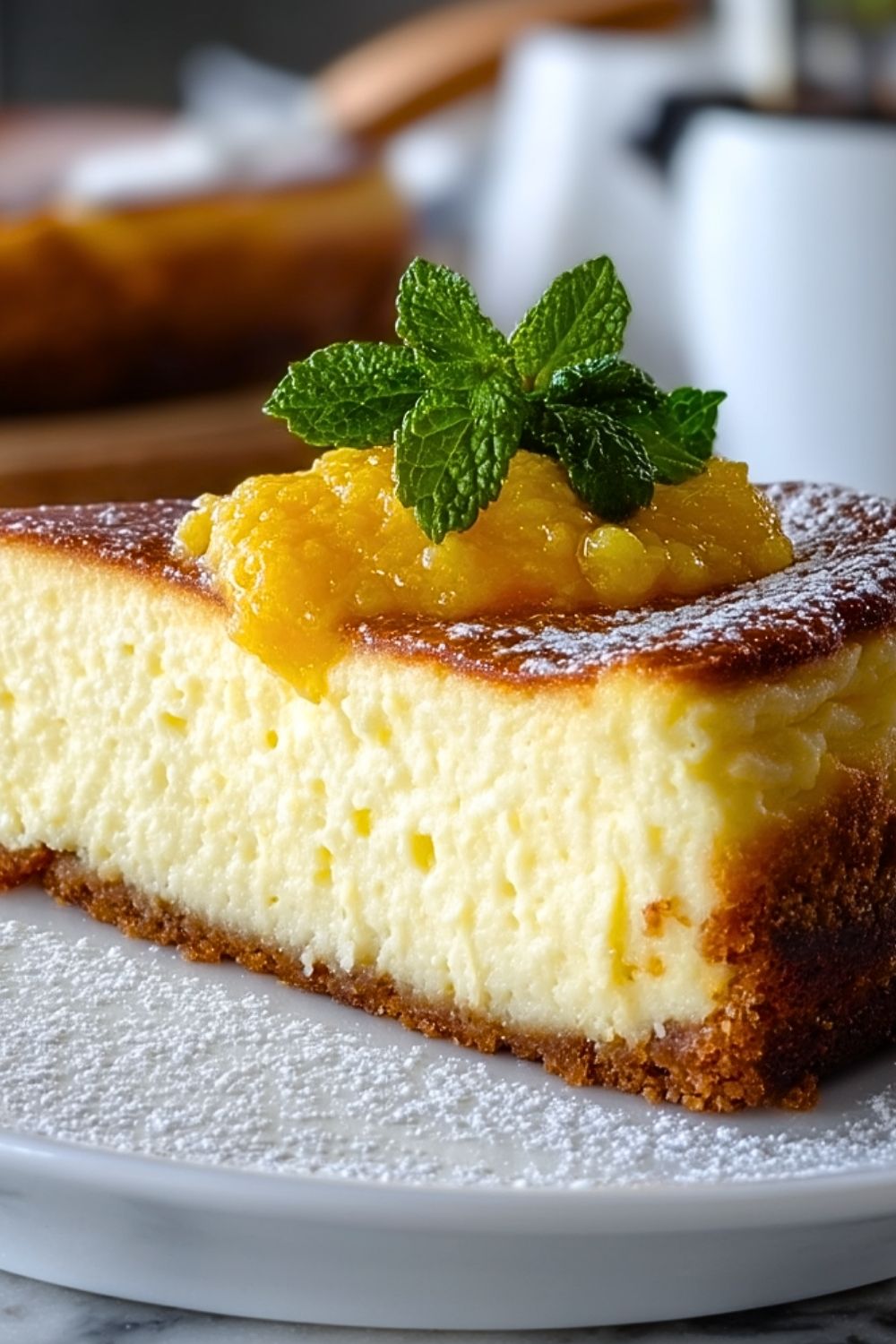
Step 1: Prepare the Ricotta
Drain the ricotta thoroughly using a fine mesh sieve or cheesecloth for at least 1–2 hours. This step is crucial to avoid excess moisture, which can make the cheesecake watery.
Step 2: Preheat the Oven
Preheat your oven to 325°F (160°C). A moderate temperature ensures even baking and prevents cracking.
Step 3: Make the Crust
Crush the graham crackers or biscuits into fine crumbs. Mix them with melted butter until the texture resembles wet sand. Press the mixture firmly into the bottom of a springform pan to create an even base.
Step 4: Pre-Bake the Crust
Bake the crust for about 8–10 minutes until lightly golden. Remove from the oven and let it cool while preparing the filling.
Step 5: Mix the Filling
In a large bowl, combine the drained ricotta and sugar. Mix until smooth. Add the eggs one at a time, blending gently after each addition.
Step 6: Add Flavorings
Stir in the vanilla extract, lemon zest, optional orange zest, and a pinch of salt. Mix until everything is well incorporated but avoid overmixing.
Step 7: Incorporate Flour
Gently fold in the flour to help stabilize the batter. This keeps the cheesecake light yet structured.
Step 8: Assemble the Cheesecake
Pour the filling over the cooled crust. Smooth the top with a spatula to ensure an even surface.
Step 9: Bake Slowly
Place the cheesecake in the oven and bake for 50–60 minutes. The center should still have a slight jiggle when done.
Step 10: Cool Gradually
Turn off the oven and leave the door slightly open. Let the cheesecake cool inside for about an hour to prevent sudden temperature changes.
Step 11: Chill Before Serving
Transfer the cheesecake to the refrigerator and chill for at least 4 hours, preferably overnight. This helps the flavors develop and the texture set properly.
Step 12: Garnish and Serve
Before serving, dust with powdered sugar and top with fresh citrus segments or your preferred fruit topping for a vibrant finish.
How Long to Prepare the Sicilian Ricotta Cheesecake
Preparing Sicilian Ricotta Cheesecake is a process that rewards patience, but none of the steps are particularly complicated. Most of the effort goes into proper preparation—especially draining the ricotta and allowing the cheesecake to chill fully for the best texture.
Active preparation time usually takes about 20–30 minutes, including mixing the filling and preparing the crust. Baking takes around 50–60 minutes, followed by a gradual cooling period of about an hour in the oven. For the best results, chilling should be at least 4 hours, though overnight chilling is ideal to achieve that perfectly set, creamy consistency.
Tips for Perfect Sicilian Ricotta Cheesecake
Use high-quality ricotta whenever possible, as it directly affects the flavor and texture. If the ricotta feels too wet, always drain it longer than you think you need—this single step makes a noticeable difference.
Mix the batter gently to avoid incorporating too much air, which can cause cracks during baking. Also, using room-temperature eggs helps the mixture come together more smoothly.
Baking at a lower temperature ensures even cooking and prevents the cheesecake from browning too quickly on top. If you want an extra smooth texture, you can briefly blend the ricotta before mixing.
Watch Out for These Mistakes While Cooking
One common mistake is skipping the draining step for ricotta, which can lead to a watery and unstable cheesecake. Another is overbaking—this will make the texture dry instead of soft and creamy.
Opening the oven door too often during baking can cause temperature fluctuations, leading to cracks. Also, rushing the cooling process by placing the cheesecake directly in the fridge can result in a dense texture and surface cracks.
What to Serve With Sicilian Ricotta Cheesecake?
Fresh Berries
The natural tartness of berries balances the sweetness beautifully and adds a pop of color.
Citrus Compote
A bright orange or lemon compote enhances the citrus notes already present in the cheesecake.
Honey Drizzle
A light drizzle of honey adds floral sweetness without overpowering the delicate flavor.
Espresso or Coffee
The richness of coffee pairs perfectly with the creamy texture of the cheesecake.
Whipped Cream
Soft, lightly sweetened whipped cream adds an extra layer of indulgence.
Storage Instructions
Sicilian Ricotta Cheesecake should always be stored in the refrigerator due to its dairy content. Cover it tightly with plastic wrap or store it in an airtight container to prevent it from absorbing other odors.
It can be kept in the fridge for up to 4–5 days while maintaining its flavor and texture. If you want to store it longer, freezing is an option—wrap individual slices securely and freeze for up to 2 months. Thaw overnight in the refrigerator before serving.
Estimated Nutrition
Per serving (approximate values):
- Calories: 280–320
- Protein: 10–12g
- Carbohydrates: 20–25g
- Fat: 15–18g
- Sugar: 14–18g
These values can vary depending on the exact ingredients and portion sizes used.
Frequently Asked Questions
Can I make Sicilian Ricotta Cheesecake without a crust?
Yes, this cheesecake can be made crustless for a more traditional and rustic version. Simply grease the pan well and bake as usual.
Why is my cheesecake watery?
This usually happens when the ricotta hasn’t been drained properly. Excess moisture affects the final texture.
Can I use low-fat ricotta?
You can, but the cheesecake may be less creamy and slightly drier compared to using full-fat ricotta.
How do I know when the cheesecake is done?
The edges should be set while the center still has a slight jiggle. It will firm up as it cools.
Can I freeze Sicilian Ricotta Cheesecake?
Yes, it freezes well. Wrap it tightly and thaw slowly in the refrigerator before serving.
Conclusion
Sicilian Ricotta Cheesecake is one of those desserts that feels both simple and sophisticated at the same time. Its light texture, delicate sweetness, and versatility make it a wonderful addition to any table. Whether you enjoy it plain or topped with fresh fruit, it’s a recipe that brings a taste of Sicily right into your kitchen—and once you try it, it’s likely to become a favorite you return to again and again.
Sicilian Ricotta Cheesecake
Ingredients
- 2 cups ricotta cheese
- 3/4 cup granulated sugar
- 3 large eggs
- 2 tablespoons all-purpose flour
- 1 teaspoon vanilla extract
- 1 teaspoon lemon zest
- 1/2 teaspoon orange zest optional
- 1/4 teaspoon salt
- 1 1/2 cups graham cracker crumbs
- 5 tablespoons melted butter
- 2 tablespoons powdered sugar
- 1/2 cup fresh citrus segments or fruit topping
Instructions
- 1. Drain the ricotta cheese using a sieve or cheesecloth for at least 1–2 hours to remove excess moisture.
- 2. Preheat the oven to 325°F (160°C).
- 3. Mix graham cracker crumbs with melted butter until combined, then press into a springform pan.
- 4. Bake the crust for 8–10 minutes until lightly golden, then let it cool.
- 5. In a bowl, mix ricotta and sugar until smooth.
- 6. Add eggs one at a time, mixing gently after each addition.
- 7. Stir in vanilla extract, lemon zest, orange zest, and salt.
- 8. Fold in flour carefully to maintain a light texture.
- 9. Pour the filling over the cooled crust and smooth the top.
- 10. Bake for 50–60 minutes until edges are set and the center slightly jiggles.
- 11. Turn off the oven and let the cheesecake cool inside with the door slightly open for 1 hour.
- 12. Refrigerate for at least 4 hours or overnight.
- 13. Dust with powdered sugar and top with fresh fruit before serving.