

Classic pickled eggs are a timeless comfort food that brings together tangy vinegar, warm spices, and perfectly cooked eggs in one irresistible bite. Each egg soaks up the bold flavors over time, transforming into a savory, slightly zesty treat that’s both simple and deeply satisfying. Whether served as a snack, appetizer, or part of a rustic spread, they always stand out.
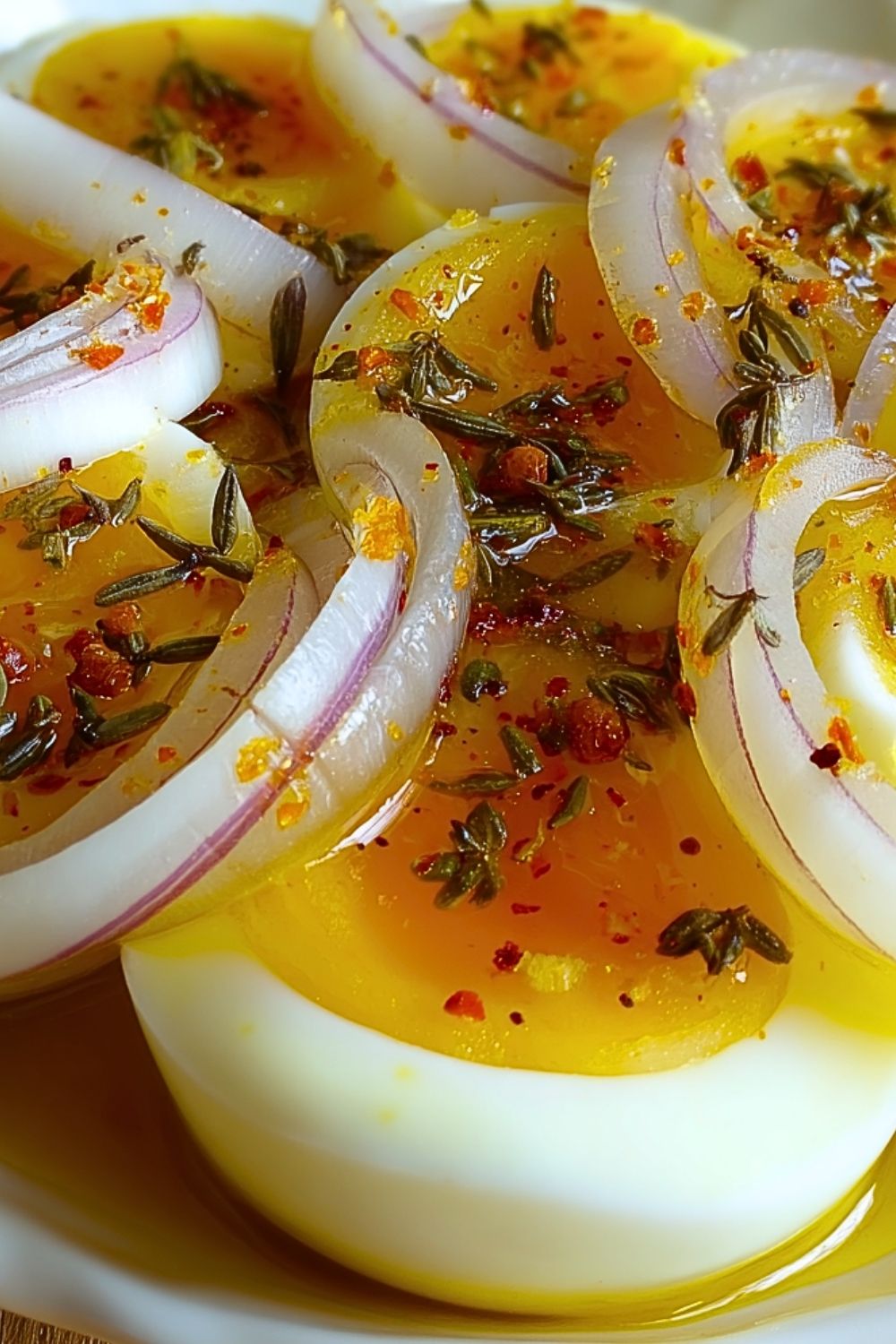
The beauty of this dish lies in its balance—firm whites, creamy yolks, and a punchy brine infused with spices and aromatics. With just a handful of ingredients and a bit of patience, you can create a jar of pickled eggs that only gets better with time.
Why You’ll Love This Classic Pickled Eggs
This recipe is wonderfully easy to prepare and requires minimal hands-on effort, making it perfect for beginners and seasoned cooks alike. The flavors are bold yet customizable, allowing you to tweak the spices to your taste. It’s also a great make-ahead option since the eggs develop even more flavor as they sit. Plus, they’re naturally protein-rich and make a convenient snack you can keep on hand.
Preparation Phase & Tools to Use (Essential Tools and Equipment and Their Importance)
To prepare classic pickled eggs successfully, a few key tools make all the difference. A medium saucepan is essential for boiling the eggs evenly and safely. A slotted spoon helps remove the eggs without cracking them. A glass jar with a tight-fitting lid is crucial for storing the eggs and allowing the pickling liquid to fully infuse them without contamination. Measuring cups and spoons ensure the vinegar-to-water ratio stays balanced, which is important for both flavor and preservation. Lastly, a small saucepan is useful for heating and blending the pickling brine, helping the spices release their full aroma.
Preparation Tips
For the best results, use eggs that are slightly older rather than very fresh, as they peel more easily after boiling. Make sure to cool the eggs completely before peeling to avoid tearing the whites. When preparing the brine, allow it to cool slightly before pouring it over the eggs to prevent overcooking them further. Always ensure the eggs are fully submerged in the liquid to achieve even pickling, and store the jar in the refrigerator for safety and optimal flavor development.
Ingredients for this Classic Pickled Eggs
To achieve the perfect balance of tangy, savory, and aromatic flavors, each ingredient plays a specific role in the pickling process:
- 12 large eggs – the base of the recipe; use high-quality eggs for the best texture and flavor
- 2 cups white vinegar – provides the signature tang and acts as a preservative
- 1 cup water – dilutes the vinegar slightly for a balanced brine
- 1 medium onion, thinly sliced – adds sweetness and depth to the flavor profile
- 2 cloves garlic, smashed – infuses the brine with a mild, savory aroma
- 1 tablespoon sugar (optional) – balances acidity with a subtle sweetness
- 1 teaspoon salt – enhances overall flavor and supports preservation
- 1 teaspoon whole black peppercorns – adds gentle heat and complexity
- 1/2 teaspoon red pepper flakes – introduces a mild spicy kick (adjust to taste)
- 1 teaspoon mustard seeds – contributes a slightly tangy, earthy flavor
- 1/2 teaspoon dried thyme or oregano – adds herbal notes
- 1 bay leaf – deepens the overall aroma of the brine
Optional Add-Ins for Flavor Variations:
- 1 small beet (sliced) for a vibrant color and earthy sweetness
- 1–2 jalapeños (sliced) for extra heat
- Fresh dill sprigs for a classic deli-style twist
Step 1: Boil the Eggs
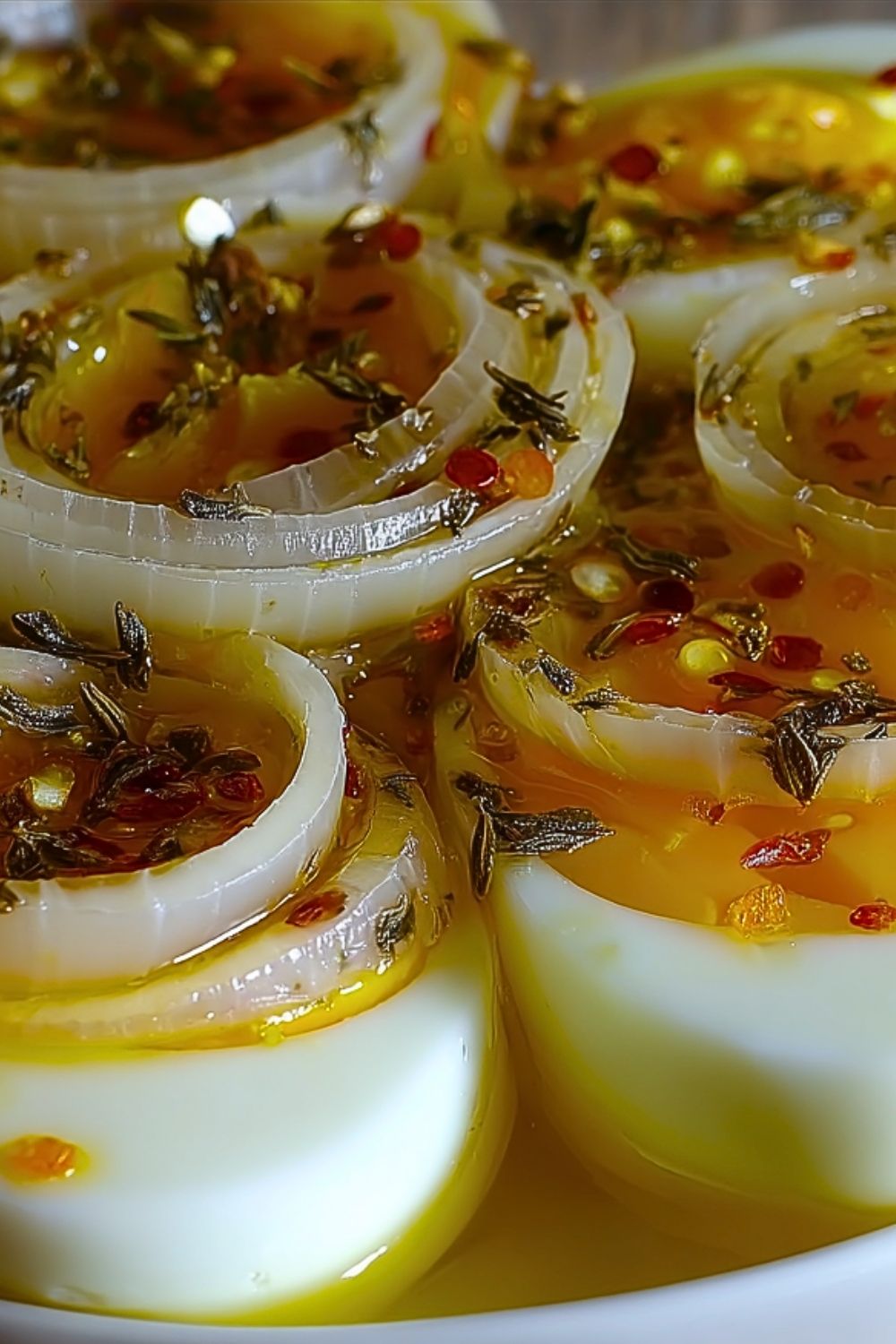
Place the eggs in a single layer in a medium saucepan and cover them with cold water by about an inch. Bring the water to a gentle boil over medium heat. Once boiling, remove from heat, cover, and let the eggs sit for 10–12 minutes. This method ensures fully cooked yolks without overcooking.
Step 2: Cool and Peel the Eggs
Transfer the eggs immediately to an ice bath or run them under cold water to stop the cooking process. Once cooled, gently crack and peel each egg. Rinse off any shell fragments and set aside.
Step 3: Prepare the Pickling Brine
In a separate saucepan, combine the white vinegar, water, sugar (if using), salt, peppercorns, red pepper flakes, mustard seeds, dried herbs, garlic, and bay leaf. Bring the mixture to a gentle simmer over medium heat, stirring occasionally until the sugar and salt dissolve completely. Simmer for 3–5 minutes to allow the spices to release their flavors.
Step 4: Prepare the Jar
Place the peeled eggs into a clean, sterilized glass jar. Add the sliced onions evenly around the eggs. If using optional ingredients like beets, jalapeños, or dill, layer them in at this stage to distribute flavor evenly.
Step 5: Add the Brine
Carefully pour the hot (not boiling) brine over the eggs, ensuring they are completely submerged. Tap the jar gently to release any trapped air bubbles. Leave a small amount of space at the top of the jar before sealing.
Step 6: Cool and Seal
Allow the jar to cool to room temperature before sealing it with a tight-fitting lid. This helps maintain the integrity of the eggs and prevents excess pressure buildup.
Step 7: Refrigerate and Pickle
Place the sealed jar in the refrigerator. For best flavor, allow the eggs to pickle for at least 3–5 days before consuming. For a deeper, more robust flavor, wait up to 1–2 weeks.
Step 8: Serve and Enjoy
Once fully pickled, slice the eggs in halves or quarters and serve chilled. They pair well with salads, sandwiches, or as a standalone snack. Sprinkle with extra spices or drizzle with a bit of olive oil for added richness if desired.
Notes
Classic pickled eggs are incredibly versatile, and the final flavor depends heavily on the balance of your brine and the time allowed for pickling. The longer the eggs sit, the more intense and developed the flavor becomes, especially as the spices continue to infuse. If you prefer a milder taste, you can shorten the pickling time slightly, but allowing at least a few days ensures the vinegar penetrates beyond the surface. Using glass containers is highly recommended, as plastic can absorb odors and metal can react with the acidic brine.
Watch Out for These Mistakes While Cooking
One common mistake is overcooking the eggs, which leads to rubbery whites and a greenish ring around the yolk. Another issue is not cooling the eggs properly before peeling, causing them to tear and lose their smooth texture. Avoid pouring extremely hot brine over the eggs, as it can continue cooking them and alter their consistency. Failing to fully submerge the eggs can result in uneven pickling, while using an incorrect vinegar-to-water ratio may compromise both flavor and preservation.
Storage Instructions
Store pickled eggs in a sealed glass jar in the refrigerator at all times. They should never be kept at room temperature due to food safety concerns. Properly stored, pickled eggs can last up to 3–4 weeks, though their texture may gradually become firmer over time. Always use clean utensils when removing eggs from the jar to prevent contamination, and ensure the eggs remain fully submerged in the brine throughout storage.
Estimated Nutrition
Per serving (1 egg, approximate values):
- Calories: 70–80 kcal
- Protein: 6 grams
- Fat: 5 grams
- Carbohydrates: 1–2 grams
- Sodium: 150–250 mg (varies based on brine)
- Cholesterol: 185 mg
These values can vary depending on the exact ingredients and additional flavorings used in the brine.
Frequently Asked Questions
1. How long should pickled eggs sit before eating?
They should sit for at least 3–5 days, but waiting 1–2 weeks will give you a much deeper flavor.
2. Can I reuse the pickling brine?
It’s not recommended, as the brine loses strength and may not safely preserve a new batch.
3. Why are my eggs rubbery?
This usually happens from overcooking or pouring very hot brine over the eggs.
4. Can I use apple cider vinegar instead of white vinegar?
Yes, it adds a slightly sweeter, fruitier flavor while still preserving the eggs effectively.
5. Do pickled eggs need to be refrigerated?
Absolutely. Refrigeration is essential for safety and proper preservation.
6. How do I know if pickled eggs have gone bad?
If they develop an off smell, slimy texture, or unusual color, they should be discarded immediately.
7. Can I make them less acidic?
You can slightly increase the water or add a bit more sugar, but do not reduce vinegar too much, as it affects preservation.
8. Are pickled eggs healthy?
They are a good source of protein but can be high in sodium and cholesterol, so they’re best enjoyed in moderation.
Conclusion
Classic pickled eggs are a simple yet flavorful recipe that transforms everyday ingredients into something truly special. With the right balance of spices and a bit of patience, you can create a snack that’s tangy, satisfying, and full of character. Whether you enjoy them on their own or as part of a larger meal, they’re a timeless addition to any kitchen.
Classic Pickled Eggs
Ingredients
- 12 large eggs
- 2 cups white vinegar
- 1 cup water
- 1 medium onion thinly sliced
- 2 cloves garlic smashed
- 1 tablespoon sugar optional
- 1 teaspoon salt
- 1 teaspoon whole black peppercorns
- 1/2 teaspoon red pepper flakes
- 1 teaspoon mustard seeds
- 1/2 teaspoon dried thyme or oregano
- 1 bay leaf
Instructions
- 1. Place eggs in a saucepan, cover with water, bring to a boil, then remove from heat and let sit covered for 10–12 minutes
- 2. Transfer eggs to an ice bath, cool completely, then peel carefully
- 3. In another saucepan, combine vinegar, water, sugar, salt, and spices, then simmer for 3–5 minutes
- 4. Place peeled eggs and sliced onions into a clean glass jar
- 5. Pour warm brine over the eggs, ensuring they are fully submerged
- 6. Let the jar cool to room temperature, then seal tightly
- 7. Refrigerate for at least 3–5 days before eating for best flavor