
 Sally Thompson
If you’re a fan of those irresistibly spiced Biscoff cookies, you are in for an absolute treat. This Biscoff Cake takes all the comforting, caramelized goodness of your favorite cookie and transforms it into a soft, moist cake layered with luscious Biscoff buttercream. I baked this for a small get-together and not a single crumb was left on anyone’s plate — it’s that addictive.
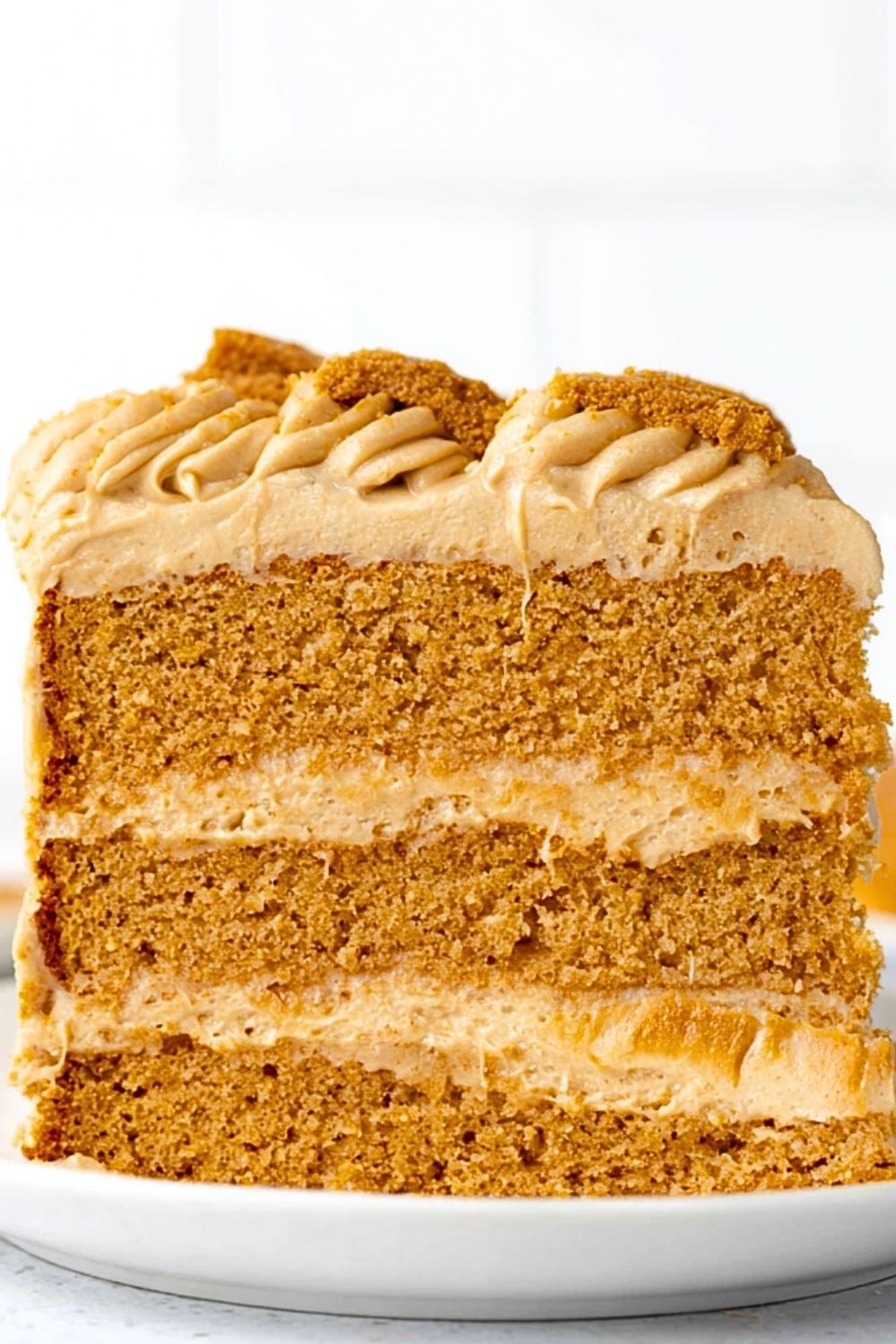
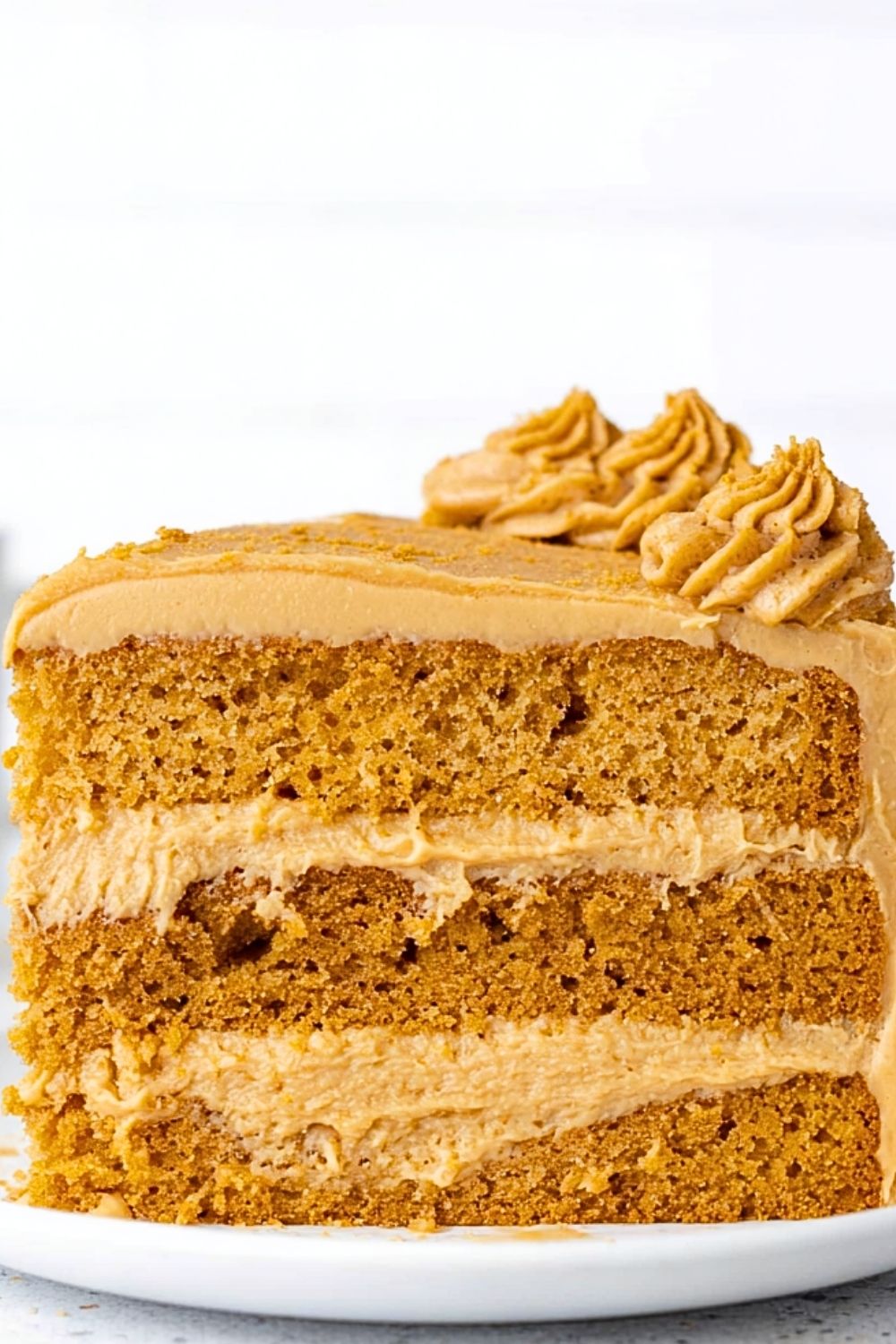
I’ve always loved cakes that offer something a little different, and this one hits all the right notes. There’s a cozy, cinnamon-rich flavor that feels like a warm hug, while the cookie butter filling adds an indulgent twist that’s both nostalgic and fresh. Whether you’re planning a birthday celebration, looking for a new dessert for your weekend bake, or just in the mood for something that tastes like comfort, this Biscoff Cake delivers.
Why You’ll Love This Biscoff Cake
- The cake is soft, moist, and full of caramelized spice flavor.
- Uses both crushed Biscoff cookies and cookie butter spread.
- Layers are rich, fluffy, and deeply satisfying.
- Great for special occasions or cozy afternoons.
- Easy to make and impossible to forget.
What Kind of Biscoff Should I Use?
You’ll want to use both Biscoff cookie butter (spread) and the classic Biscoff cookies for this recipe. The cookie butter is whipped into the frosting and also used between the layers, while crushed cookies add texture and enhance the flavor. You can find these in most grocery stores, usually near the peanut butter or international foods aisle.
Options for Substitutions
- Cookie Butter: If Biscoff spread isn’t available, try another brand of cookie butter or Speculoos spread.
- Flour: You can substitute all-purpose flour with a 1:1 gluten-free baking mix if needed.
- Butter: Use plant-based butter for a dairy-free version.
- Brown Sugar: Light brown sugar gives the best flavor, but you can swap with coconut sugar for a more natural option.
- Milk: Regular, almond, or oat milk will work just fine depending on your preference.
Ingredients for This Biscoff Cake
- All-Purpose Flour: The base of the cake, providing structure and a soft crumb.
- Baking Powder & Baking Soda: These leavening agents help the cake rise and stay fluffy.
- Salt: Enhances flavor and balances the sweetness.
- Unsalted Butter: Adds richness and a moist texture to the cake layers.
- Light Brown Sugar: Deepens the flavor with hints of molasses and adds moisture.
- Eggs: Essential for binding the batter and contributing to the soft structure.
- Vanilla Extract: Enhances the warm, comforting flavor of the cake.
- Biscoff Cookie Butter: Brings the iconic flavor to both the batter and frosting.
- Whole Milk: Adds moisture and keeps the cake tender.
- Biscoff Cookies (crushed): For crunch and bold flavor in the filling and garnish.
- Powdered Sugar: Gives the buttercream its sweet structure and smooth texture.
Step 1: Prep Your Pans and Oven
Start by preheating your oven to 350°F (175°C). Grease and line two 8-inch round cake pans with parchment paper to ensure easy release. Lightly flour the pans or use baking spray for added assurance.
Step 2: Mix the Dry Ingredients
In a large mixing bowl, whisk together the all-purpose flour, baking powder, baking soda, and salt. This ensures the leavening agents are evenly distributed throughout the cake.
Step 3: Cream the Butter and Sugar
In a stand mixer or with a hand mixer, beat the unsalted butter and light brown sugar together until the mixture is pale and fluffy, about 3–5 minutes. This step adds air into the batter and is crucial for a soft cake texture.
Step 4: Add the Eggs and Vanilla
Crack in the eggs one at a time, beating well after each addition. Stir in the vanilla extract. The mixture should be creamy and well combined.
Step 5: Incorporate the Biscoff Spread
Mix in the Biscoff cookie butter until smooth. It will blend into the butter mixture and add an incredible aroma and flavor.
Step 6: Alternate Adding Dry Ingredients and Milk
With your mixer on low, alternate adding the dry ingredients and milk in three parts — starting and ending with the dry. Mix until just combined to avoid overworking the batter.
Step 7: Divide and Bake
Evenly divide the batter between your prepared pans and smooth the tops. Bake for 28–32 minutes, or until a toothpick inserted in the center comes out clean. Let the cakes cool in the pans for 10 minutes, then turn out onto wire racks to cool completely.
Step 8: Make the Biscoff Buttercream
Beat softened butter until creamy, then add in Biscoff spread. Gradually add powdered sugar and beat until smooth. If needed, add a tablespoon of milk to adjust the consistency.
Step 9: Assemble the Cake
Place one cake layer on a serving plate. Spread a generous amount of Biscoff frosting on top and sprinkle with crushed Biscoff cookies. Add the second layer and frost the top and sides. Decorate with more crushed cookies if desired.
How Long to Prepare the Biscoff Cake
Preparing this Biscoff Cake from start to finish typically takes around 1 hour and 30 minutes, including baking and cooling time. The actual hands-on preparation is quick and simple — perfect for bakers of all experience levels.
Preparation Time: Mixing the batter and frosting takes about 25–30 minutes. It’s mostly straightforward — creaming butter and sugar, incorporating wet and dry ingredients, and preparing the buttercream.
Baking and Cooling Time: Each layer bakes in about 30 minutes. Let the layers cool for at least 20–30 minutes before frosting to avoid melting the buttercream.
Tips for Perfect Biscoff Cake
- Use room temperature ingredients to ensure even mixing and a smooth batter.
- Don’t overmix once the flour is added — this keeps the cake light and tender.
- Level your cake layers with a serrated knife if needed for an even stack.
- Chill the cake briefly after frosting for clean slicing and a neater presentation.
- Use a small offset spatula for smooth, professional-looking frosting.
Watch Out for These Mistakes While Cooking
- Overbaking: The cake can dry out if overbaked. Start checking at 28 minutes.
- Using cold butter: Cold butter won’t cream properly with sugar, affecting the texture.
- Skipping the cookie crumbs in the middle: These add texture and more flavor depth.
- Frosting warm cakes: Always cool your cake layers before adding the buttercream.
- Using natural peanut butter as a substitute: It doesn’t mimic the spiced flavor of Biscoff and can throw off the balance.
What to Serve With Biscoff Cake?
1. Hot Coffee or Espresso
The deep caramel and spice of the cake pair beautifully with strong coffee.
2. Vanilla Bean Ice Cream
A scoop of creamy vanilla helps balance the rich flavors of the cake.
3. Whipped Cream with Cinnamon
Add a lightly spiced whipped cream for extra indulgence.
4. Warmed Biscoff Cookie Butter Drizzle
Warm up some cookie butter and drizzle over each slice before serving.
5. A Glass of Cold Milk
Simple but classic — especially for those who love cookies and milk.
Storage Instructions
Room Temperature: If your kitchen isn’t too warm, the frosted cake can be stored in an airtight container at room temperature for up to 2 days.
Refrigerator: For longer storage, place the cake in the fridge for up to 5 days. Let slices sit at room temperature for 20–30 minutes before serving to soften the buttercream.
Freezer: Freeze individual slices wrapped in plastic and foil for up to 2 months. Thaw overnight in the fridge, then bring to room temperature before eating.
Estimated Nutrition
Per slice (based on 12 servings):
- Calories: ~480
- Fat: 24g
- Saturated Fat: 10g
- Carbohydrates: 62g
- Sugar: 42g
- Protein: 4g
- Fiber: 1g
- Sodium: 210mg
Frequently Asked Questions
How do I make this cake ahead of time?
You can bake the cake layers a day in advance and store them wrapped at room temperature. Frost the cake on the day you plan to serve it.
Can I use a different size cake pan?
Yes, two 9-inch pans will work, but the layers will be slightly thinner. Reduce the baking time by a few minutes.
Is this cake overly sweet?
It’s rich and sweet, but the spice from the cookie butter balances it well. If you’re sensitive to sweetness, use less powdered sugar in the buttercream.
Can I make this recipe vegan?
Yes! Use plant-based butter, a dairy-free milk alternative, and flax eggs. Be sure your cookie butter is also dairy-free.
Can I turn this into cupcakes?
Absolutely. This recipe makes about 24 cupcakes. Bake at 350°F for 18–22 minutes.
Conclusion
This Biscoff Cake is more than just a dessert — it’s an experience. From the rich, spiced layers to the indulgent cookie butter frosting, every bite is packed with flavor and comfort. Whether you’re baking for a special occasion or simply treating yourself, this cake is sure to impress. Once you make it, you’ll find yourself coming back to it again and again.
Biscoff Cake
- Prep Time: 30 minutes
- Cook Time: 30 minutes
- Total Time: 1 hour 30 minutes
- Yield: 12 slices 1x
- Category: Dessert
- Method: Baking
- Cuisine: American
Description
This indulgent Biscoff Cake is a dream dessert for cookie lovers. With moist, spiced layers and a creamy cookie butter frosting, it’s the perfect treat for any celebration or cozy night in. Whether you’re after a quick dessert idea, a special birthday cake, or simply want a delicious way to enjoy Biscoff, this easy recipe has you covered. A must-have for your collection of dinner ideas, food ideas, and baking projects.
Ingredients
2 1/2 cups all-purpose flour
2 teaspoons baking powder
1/2 teaspoon baking soda
1/2 teaspoon salt
1 cup unsalted butter, softened
1 1/4 cups light brown sugar
3 large eggs
2 teaspoons vanilla extract
3/4 cup Biscoff cookie butter
1 cup whole milk
1/2 cup crushed Biscoff cookies
1 cup unsalted butter (for frosting)
1/2 cup Biscoff cookie butter (for frosting)
3 cups powdered sugar
1 tablespoon milk (if needed for consistency)
Instructions
1. Preheat oven to 350°F (175°C) and prepare two 8-inch round cake pans by greasing and lining with parchment paper.
2. In a bowl, whisk together flour, baking powder, baking soda, and salt.
3. In a separate bowl, cream butter and brown sugar until light and fluffy (about 3–5 minutes).
4. Add eggs one at a time, beating well after each addition. Stir in vanilla extract.
5. Mix in the Biscoff cookie butter until smooth.
6. Alternate adding the dry ingredients and milk into the wet mixture, starting and ending with dry. Mix just until combined.
7. Divide batter evenly between the pans and smooth the tops. Bake for 28–32 minutes until a toothpick comes out clean.
8. Cool cakes in pans for 10 minutes, then transfer to wire racks to cool completely.
9. Make the buttercream by beating the butter until creamy, then adding Biscoff spread. Gradually beat in powdered sugar. Add milk if needed for smoothness.
10. Assemble the cake by layering frosting and crushed cookies between the layers, then frost the top and sides. Garnish with more crushed Biscoff cookies if desired.
Notes
Make sure your butter is at room temperature for both the cake and frosting to ensure smooth mixing.
Don’t skip the crushed cookies between layers — they add texture and extra flavor.
For sharp, clean slices, chill the cake for 30 minutes before slicing.
Nutrition
- Serving Size: 1 slice
- Calories: 480
- Sugar: 42g
- Sodium: 210mg
- Fat: 24g
- Saturated Fat: 10g
- Unsaturated Fat: 13g
- Trans Fat: 0g
- Carbohydrates: 62g
- Fiber: 1g
- Protein: 4g
- Cholesterol: 75mg
Keywords: biscoff cake, cookie butter dessert, easy cake recipe, dinner ideas, baking, food ideas