
Silky, comforting, and just a little luxurious, Smoked Salmon Carbonara brings a refined twist to the classic Italian pasta dish. The creamy sauce clings to every strand of spaghetti, while the smoky, delicate salmon adds depth and elegance without overpowering the dish. It’s the kind of meal that feels restaurant-worthy yet comes together easily at home.
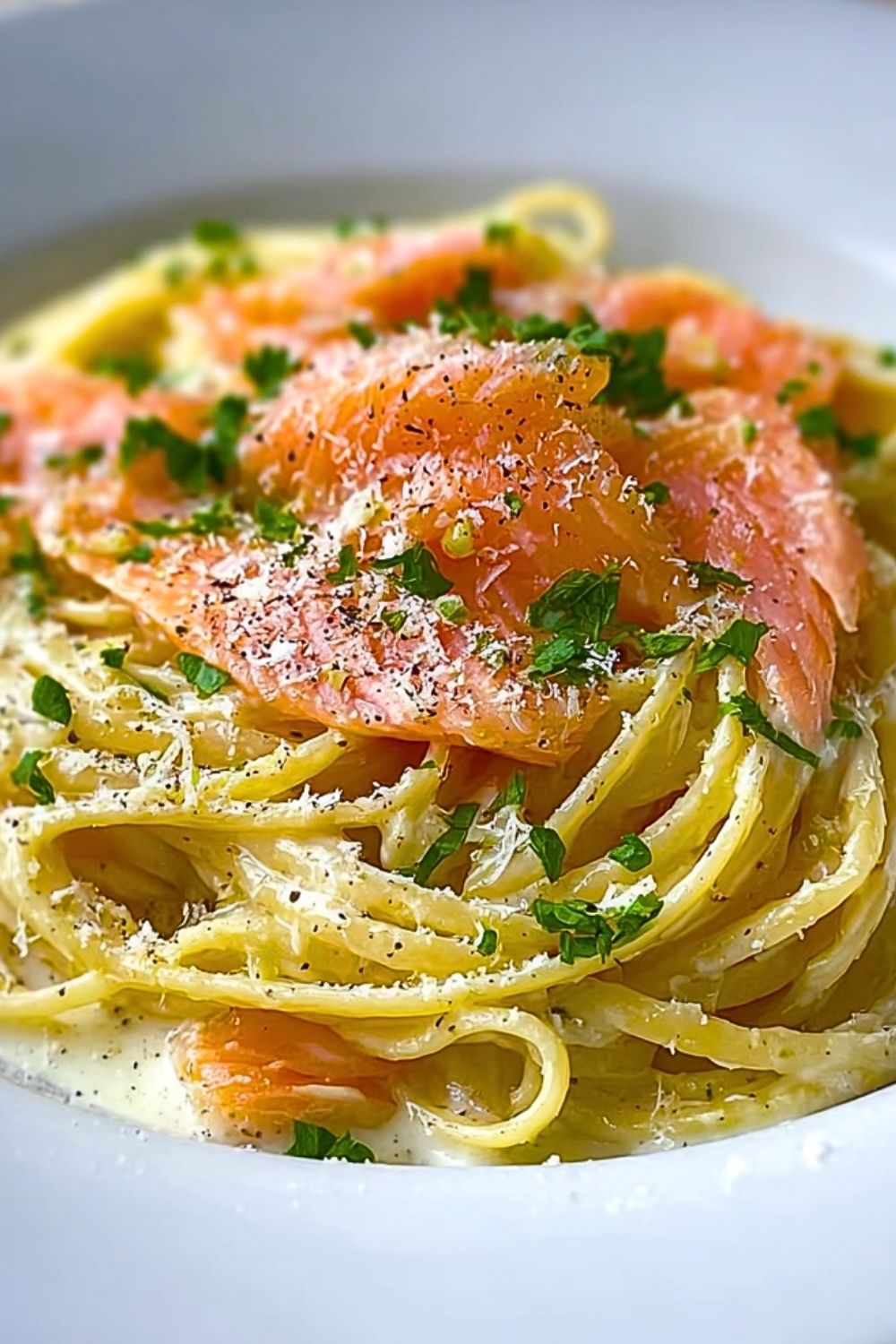
Perfect for a cozy dinner or an impressive weeknight treat, this Smoked Salmon Carbonara balances richness with freshness. The gentle saltiness of the salmon, the warmth of black pepper, and the velvety sauce create a harmony that feels indulgent but not heavy—ideal for pasta lovers looking for something special.
Why You’ll Love This Smoked Salmon Carbonara
This Smoked Salmon Carbonara is quick to prepare, deeply satisfying, and packed with flavor using simple ingredients. It’s a fantastic alternative to traditional bacon-based carbonara, offering a lighter, more refined taste while still delivering that signature creamy texture. Whether you’re cooking for guests or treating yourself, it feels elegant without being complicated.
Preparation Phase & Tools to Use
To make Smoked Salmon Carbonara successfully, having the right tools matters. A large pot is essential for cooking the pasta evenly and allowing it to move freely. A wide skillet helps gently warm the salmon and combine the sauce without overheating it. A whisk is important for blending the eggs and cheese smoothly, ensuring a creamy sauce instead of scrambled eggs. Finally, tongs or a pasta fork allow you to toss everything together gently, coating each strand perfectly.
Preparation Tips
Before you start cooking, have all ingredients measured and ready, as this dish comes together quickly. Bring the eggs to room temperature so they emulsify smoothly with the cheese. Cook the pasta until just al dente, and reserve some pasta water—it’s key for adjusting the sauce consistency. Most importantly, remove the pan from direct heat before adding the egg mixture to keep the sauce silky and smooth.
Ingredients for this Smoked Salmon Carbonara
Choosing quality ingredients makes a noticeable difference in this dish, since the recipe relies on simplicity and balance rather than heavy seasoning.
- Spaghetti or Linguine (400 g / 14 oz): Long pasta works best because it holds the creamy sauce evenly.
- Smoked Salmon (150–200 g / 5–7 oz): Thinly sliced, preferably cold-smoked for a delicate texture and refined smoky flavor.
- Egg Yolks (4 large): Provide richness and create the signature carbonara creaminess without using actual cream.
- Whole Egg (1 large): Adds structure and helps stabilize the sauce.
- Parmesan Cheese (50 g / about ½ cup finely grated): Adds nutty depth and saltiness; freshly grated melts more smoothly.
- Pecorino Romano (optional, 25 g / ¼ cup): For a sharper, more traditional bite if you enjoy bolder flavor.
- Garlic (1 small clove, finely minced): Lightly perfumes the dish without overpowering the salmon.
- Extra Virgin Olive Oil (1 tablespoon): Used gently to warm the garlic and salmon.
- Freshly Ground Black Pepper: A defining element of carbonara; be generous.
- Salt: For the pasta water only—season carefully since smoked salmon and cheese are already salty.
- Fresh Parsley or Chives (finely chopped): Optional, but adds freshness and color at the end.
- Reserved Pasta Water (about 1 cup): Essential for loosening and emulsifying the sauce.

Step 1: Prepare the Carbonara Egg Mixture
In a mixing bowl, whisk together the egg yolks and the whole egg until smooth and slightly pale. Add the finely grated Parmesan (and Pecorino if using) along with a generous amount of freshly ground black pepper. Whisk until you have a thick, cohesive paste. Set aside at room temperature—this step is crucial for achieving a silky sauce later.
Step 2: Cook the Pasta Properly
Bring a large pot of water to a rolling boil and salt it generously—it should taste like the sea. Add the spaghetti and cook until al dente, following package instructions but tasting about one minute early. Before draining, reserve at least one cup of the starchy pasta water. Drain the pasta and set aside briefly.
Step 3: Gently Warm the Smoked Salmon
Heat a wide skillet over low to medium-low heat and add the olive oil. Add the minced garlic and let it soften gently for about 30 seconds, just until fragrant. Tear the smoked salmon into large pieces and add it to the pan, warming it lightly without frying. The goal is to enhance aroma, not to cook the salmon further.
Step 4: Combine Pasta and Salmon
Add the drained pasta directly to the skillet with the salmon. Toss gently to coat the pasta in the infused oil. Remove the pan from direct heat entirely—this step is critical to prevent the eggs from scrambling in the next stage.
Step 5: Create the Creamy Sauce
Pour the egg and cheese mixture over the hot pasta. Using tongs, toss continuously while gradually adding small amounts of reserved pasta water. The residual heat and starch will transform the mixture into a glossy, creamy sauce that clings to the pasta. Adjust consistency with more pasta water as needed.
Step 6: Final Seasoning and Finish
Taste and adjust seasoning with additional black pepper if desired. Add chopped parsley or chives for freshness. Serve immediately, finishing with extra grated cheese and a final crack of black pepper on top for a classic carbonara presentation.
Notes
Smoked Salmon Carbonara is best enjoyed immediately after cooking, when the sauce is at its creamiest and most luxurious. This dish relies on technique rather than heavy ingredients, so gentle heat control and timing are essential. Because smoked salmon varies in saltiness, always taste before adding extra salt. If you prefer a softer smoky profile, choose cold-smoked salmon; for a bolder flavor, hot-smoked salmon can be used but should be flaked gently to avoid overpowering the sauce.
Watch Out for These Mistakes While Cooking
One of the most common mistakes is adding the egg mixture while the pan is still on direct heat, which can cause the eggs to scramble instead of forming a smooth sauce. Another issue is overcooking the pasta—since it continues to cook slightly when tossed with the sauce, stopping at al dente is crucial. Using pre-grated cheese can also lead to a grainy texture, as it doesn’t melt as smoothly. Finally, overcooking the smoked salmon can make it tough and overly salty, so always warm it gently rather than frying it.
Storage Instructions
Smoked Salmon Carbonara is not ideal for long storage, as the sauce can lose its creamy texture when reheated. If necessary, store leftovers in an airtight container in the refrigerator for up to 24 hours. Reheat gently over low heat with a splash of water or milk, stirring constantly to loosen the sauce. Avoid microwaving at high power, as it can cause the eggs to curdle.
Estimated Nutrition
This dish provides a balanced combination of protein, fats, and carbohydrates. The eggs and salmon contribute high-quality protein and healthy fats, while the pasta supplies energy-sustaining carbohydrates. While rich, it can fit into a balanced diet when enjoyed in moderate portions.
- Calories: ~550–600 per serving
- Protein: ~30 g
- Carbohydrates: ~60 g
- Fat: ~25 g
- Sodium: Moderate to high (depending on salmon and cheese used)
Frequently Asked Questions
Can I use cream in Smoked Salmon Carbonara?
Traditional carbonara does not use cream, and this version relies on eggs and cheese for its signature texture. Adding cream will change both the flavor and authenticity of the dish.
What pasta shape works best for this recipe?
Spaghetti and linguine are ideal because their long strands hold the sauce evenly, but fettuccine also works well.
Can I substitute smoked salmon with fresh salmon?
Yes, but the flavor will be different. Fresh salmon should be lightly cooked and seasoned, though you’ll lose the characteristic smoky depth.
Is this dish safe with eggs?
Yes, when prepared correctly. The residual heat from the pasta gently cooks the eggs, creating a safe and creamy sauce.
Can I make this recipe ahead of time?
This dish is best made fresh. Preparing it ahead of time can affect the sauce’s texture and overall quality.
How can I make it lighter?
Use slightly less cheese and increase the amount of pasta water to create a lighter, silkier sauce.
Is smoked salmon carbonara kid-friendly?
Yes, though you may want to reduce the amount of black pepper for a milder flavor.
What can I serve alongside this dish?
A simple green salad or lightly dressed vegetables pair well and balance the richness of the pasta.
Conclusion
Smoked Salmon Carbonara is a refined yet approachable dish that blends classic technique with modern flavor. With its silky sauce, delicate smokiness, and comforting warmth, it’s a recipe that feels indulgent without being overly heavy. Mastering this dish is all about timing, quality ingredients, and confidence—once you do, it becomes a go-to meal for both special occasions and elevated everyday dining.
Smoked Salmon Carbonara
- Prep Time: 10 minutes
- Cook Time: 15 minutes
- Total Time: 25 minutes
- Yield: 4 servings 1x
- Category: Dinner
- Method: Stovetop
- Cuisine: Italian-inspired
Description
Creamy, elegant, and irresistibly comforting, Smoked Salmon Carbonara is a refined take on a classic Italian favorite. This easy recipe combines silky pasta, smoky salmon, and a rich egg-based sauce, making it perfect for quick dinners, elevated food ideas, and impressive yet simple meals.
Ingredients
400 g spaghetti or linguine
200 g smoked salmon
4 large egg yolks
1 large whole egg
50 g Parmesan cheese, finely grated
25 g Pecorino Romano cheese optional
1 small garlic clove, finely minced
1 tablespoon extra virgin olive oil
1 teaspoon freshly ground black pepper
Salt for pasta water
2 tablespoons fresh parsley or chives
250 ml reserved pasta water
Instructions
1. Whisk egg yolks, whole egg, cheeses, and black pepper until smooth
2. Cook pasta in salted water until al dente and reserve pasta water
3. Warm olive oil and garlic gently in a pan
4. Add smoked salmon and warm lightly
5. Toss pasta with salmon and remove from heat
6. Add egg mixture and pasta water gradually while tossing
7. Season, garnish, and serve immediately
Notes
Remove the pan from heat before adding eggs
Use freshly grated cheese for best texture
Add pasta water gradually to control sauce consistency
Nutrition
- Serving Size: 1 plate
- Calories: 580
- Sugar: 3 g
- Sodium: 720 mg
- Fat: 26 g
- Saturated Fat: 9 g
- Unsaturated Fat: 14 g
- Trans Fat: 0 g
- Carbohydrates: 62 g
- Fiber: 3 g
- Protein: 32 g
- Cholesterol: 235 mg
Keywords: easy dinner, smoked salmon, carbonara, pasta recipe, food ideas